Most people learn interior design by screenshot: save a hundred rooms, buy the pieces, wonder why the result feels like a furniture showroom with your name on the mail. The missing layer is principles. A room works because of proportion, light, color relationships, and how humans actually live in space — and none of that is visible in a photo. Books teach it better than feeds do, in a specific order.
Interior Design Books: A Reading Path to Rooms You Love
July 11, 2026 · 2 min read
Why order matters here
Start with styling tips and you get rules without reasons — and rules without reasons collapse at the first odd-shaped room. Start with why spaces affect us, add the theory of color, then learn the craft moves, and finish with the professional references. Each stage explains the one after it.
The path, stage by stage
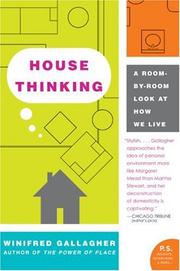
Begin with House Thinking by Winifred Gallagher, a room-by-room tour of the psychology of home — why certain spaces calm or drain us. It reframes design as designing for behavior, which is the professional's secret. Add The Architecture of Happiness by Alain de Botton for the philosophical case that buildings speak, and that we become a little like what we live in. For historical spine, The Decoration of Houses by Edith Wharton — yes, that Edith Wharton — is the 1897 classic argument for proportion and architectural honesty over clutter, and it reads as a manifesto against every overstuffed room you have ever sat in.
Then color, the subject most amateurs never study. Interaction of Color by Josef Albers is the classic on why no color exists alone — work through its exercises and you will never see a paint chip the same way. The Secret Lives of Colour by Kassia St. Clair adds the stories behind the pigments, which makes palettes easier to remember and reason about.
Now the applied craft. Elements of Style by Erin Gates and Styled by Emily Henderson are the working-designer playbooks — room formulas, styling moves, budget honesty — and after the theory stage you will see the principles under their advice. The Perfectly Imperfect Home by Deborah Needleman is the corrective: warmth and personality over showroom polish. Homebody by Joanna Gaines helps you name your own style instead of borrowing one.
If you get serious, finish with the references professionals actually use: Interior Design Illustrated by Francis Ching for how space, light, and scale really work, drawn beautifully.
How to actually study this
Design one real room while you read — nothing teaches proportion like a sofa you have to live with. After the color stage, build a five-color palette for your space and test it in daylight and lamplight. Keep a folder of rooms you love and annotate why they work using the vocabulary you are acquiring; the annotation, not the collecting, is the study.
The staged plan is the full reading path. Related home routes live in the interior design hub, or build your own list.
FAQ
- Can I learn interior design without going to school?
- For your own home, absolutely — the theory, color, and styling canon is all in books, and practice rooms are free. Professional licensure is a separate track.
- What is the best interior design book for beginners?
- Start with House Thinking to understand how rooms shape behavior, then Elements of Style by Erin Gates for the applied playbook.
Get the books
- 1The Decoration of HousesAmazon ↗Edith Wharton
- 2Elements of styleAmazon ↗Erin T. Gates
- 3House ThinkingAmazon ↗Winifred Gallagher
- 4Interaction of colorAmazon ↗Josef Albers
- 5The Secret Lives Of ColourAmazon ↗Kassia St. Clair
- 6HomebodyAmazon ↗Joanna Gaines
As an Amazon Associate we earn from qualifying purchases. Some book links are affiliate links; you pay the same price and we may earn a small commission.
Follow the full reading path


Interior design: rooms you'll love
Beginner11books68 hrs5 stages
@homesherpa♥ 0
Ready to learn something deeply?
Build a reading path — free