Improv looks like pure spontaneous magic and is actually a craft with principles you can name: listening, agreement, commitment, and getting yourself out of your own way. Those principles are hard to grasp from watching alone, and the internet is full of contradictory advice. A short, ordered reading path gives you a coherent philosophy of play before you ever step on stage — and, usefully, a lens for everyday conversation, collaboration, and creative work.
The honest truth first: you cannot learn improv from books. It is a physical, social, in-the-room skill built by getting on your feet in a class with other people and failing in front of them, repeatedly. These books sharpen your thinking and shorten the learning curve; the stage does the actual teaching.
Why order matters here
The sequence moves from mindset to mechanics to mastery. Start with the philosophy of saying yes, then the specific grammar of building scenes, then the deeper artistic and applied dimensions. Read a technique manual before you have the mindset and the techniques feel like rules instead of tools.
The path, stage by stage
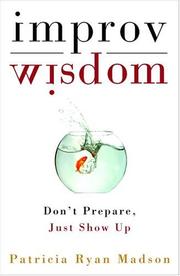
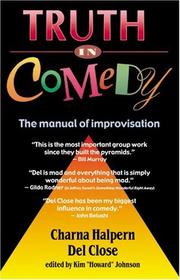
Begin with Improv Wisdom by Patricia Ryan Madson, a gentle, wise introduction to improv as a way of thinking — perfect before any jargon. Then read Truth in comedy by Charna Halpern, the foundational text on long-form improv and the philosophy of finding the game of a scene.
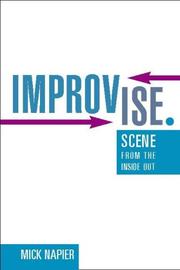
Now get practical. Improvise by Mick Napier challenges the conventional rules and teaches you to take care of yourself in a scene, and How to be the Greatest Improviser on Earth by Will Hines is a modern, encouraging manual full of concrete practice. Together they give you the working mechanics.
For depth, go to the sources. Improvisation for the theater by Viola Spolin is the origin text of theater games that made improv teachable, and Impro by Keith Johnstone is the profound, mind-expanding classic on spontaneity, status, and why adults lose their playfulness. Then lighten the load with Bossypants by Tina Fey, whose account of Second City and rule-of-improv wisdom makes the whole craft feel human and possible.
How to actually learn this
Read these alongside an actual class — nothing else works. After each book, bring one idea to your next practice and consciously try it. Watch live and recorded improv and name what the players are doing. Above all, embrace failing gladly; the willingness to look foolish is the real prerequisite, and no book grants it — only reps do. Let the reading make you a more thoughtful player, and let the stage make you an improviser.
Ready to get started? Follow the full reading path for the staged study plan, visit the subject hub, or explore related performance paths.
Ready to learn something deeply?
Build a reading path — free