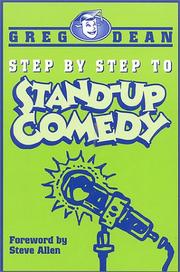
The most persistent myth about stand-up is that funny people are born. Comics themselves tell a different story: funny is a craft with learnable mechanics, and the people who make it are the ones who treated it like one, writing daily and dying on stage weekly until the jokes stopped dying.
Books cannot make you funny in your chair. But they can compress years of open-mic trial and error into months, if you read them in the right order: mechanics first, then structure, then the lives and history that teach taste.
Stage 1: the mechanics of funny
Start with The comic toolbox by John Vorhaus, whose core premise, comedy is truth and pain, plus tools like the wildly inappropriate response, gives you ways to generate material instead of waiting for inspiration. Then read Comedy Writing Secrets by Mark Shatz, the standard workbook on joke anatomy: setups, punchlines, misdirection, the rule of three. Do the exercises; reading about joke structure without writing jokes is like reading about push-ups.
Stage 2: build an act
Step by step to stand-up comedy by Greg Dean is the most systematic method in print for turning premises into bits and bits into a set, including his influential setup-punch mechanics and rehearsal techniques. Add How To Write Funny by Scott Dikkers, founding editor of The Onion, for a lean system of comedic voices and angles that works for both page and stage.
Stage 3: study the masters
Born standing up by Steve Martin is the finest memoir the art form has produced, an unsparing account of eighteen years of grinding before the overnight success, and a masterclass in deciding what your act is about. Then zoom out with The Comedians by Kliph Nesteroff, the definitive history of American comedy from vaudeville to podcasts; knowing the lineage sharpens your sense of what has been done to death. Finish with the interview collections: Sick in the Head by Judd Apatow and Poking a dead frog by Mike Sacks, in which working comics and comedy writers talk process with unusual candor. Read these slowly, one interview at a time, as a between-sets tonic.
How to actually study this
There is no path to stand-up that avoids the stage, so pair the books with reps from week one. Write for fifteen minutes daily, whatever comes; mine it weekly for premises. Book your first open mic after Dean, not after the whole path. Record every set on your phone and listen back once, noting where laughs came early, late, or never. Five minutes of stage time teaches what fifty pages cannot, but the books make each of those minutes count double.
The staged sequence with study plans is at the full reading path. Neighboring crafts live on the subject hub, or browse all paths.
Ready to learn something deeply?
Build a reading path — free