The standard approach to a cold, expensive house is random acts of caulking: a draft gets noticed, a tube gets emptied, nothing changes on the bill. The reason is that houses lose heat as a system — air leaks, insulation gaps, and moisture all interact — and fixing them out of order can make things worse, sometimes rot-the-sheathing worse. The homeowners who actually cut their bills read a little building science first, then work the sequence.
Winterize your home: the reading path to a warm, dry, cheaper house
July 9, 2026 · 2 min read
The path, stage by stage
Start with the book that is basically this whole subject in one volume: Insulate and Weatherize by Bruce Harley. Harley's core sequence — air-seal first, then insulate, then upgrade windows last — is the inversion of what most people do, and it's worth the price of the path on its own. Read it cover to cover before buying anything.
Then widen out. The Energy-Smart House from the Fine Homebuilding editors collects working-builder wisdom on where houses really leak (attic penetrations, rim joists, duct runs — rarely the windows you suspected). Weatherproofing from Time-Life Books is the classic illustrated treatment of keeping water and wind out at the shell.
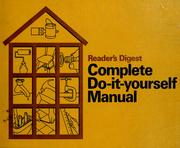
For the hands, keep two general references nearby: the Reader's Digest Complete Do-It-Yourself Manual and The Complete Photo Guide to Home Repair from Black & Decker — step-by-step photos for the actual work of caulking, flashing, weatherstripping, and patching what you open up.
The deep end, for those who get hooked, is Builder's Guide: Cold Climates by Joseph Lstiburek — the building-science bible for heating climates. Lstiburek explains the physics beginners violate: seal a house without thinking about ventilation and combustion appliances and you can create moisture and air-quality problems worse than the drafts. One safety line to keep: if you have a gas furnace or water heater, have combustion venting checked after major air sealing, and leave anything touching wiring or fuel lines to licensed pros.
The habit: the incense audit, every October
One windy fall day a year, walk the house with a lit incense stick. Hold it at outlets, window sashes, attic hatches, plumbing penetrations, the rim joist. Where the smoke dances, air moves; write each leak down and fix the list in order of size, biggest first. It's a poor man's blower-door test, it costs a dollar, and it converts vague chilliness into a ranked to-do list. Keep the list in the same note year over year: watching it shrink is cheap satisfaction, and the repeat offenders tell you where a bigger fix — attic insulation, a new door sweep — has finally earned its money.
About 60 hours of reading, repaid every heating season after. Follow the path, start at the winterizing hub, and go deeper on the whole-house picture at the home energy hub.
FAQ
- Should I replace my windows first?
- Almost never first — it’s the most expensive fix with the slowest payback. Air sealing and attic insulation typically cost a tenth as much and save more; Harley’s book puts windows deliberately last in the sequence.
- Can I over-seal a house?
- You can seal one without planning for ventilation, which causes moisture and air-quality problems. That’s why Lstiburek’s systems approach matters: tighten the shell and manage fresh air on purpose, and have combustion appliances checked afterward.
Get the books
- 1Reader's digest complete do-it-yourself manualAmazon ↗Reader's Digest Association
- 2The complete photo guide to home repairAmazon ↗Black & Decker Corporation (Towson, Md.)
- 3The energy-smart houseAmazon ↗Fine Homebuilding Editors
- 4Insulate and WeatherizeAmazon ↗Bruce Harley
- 5Weatherproofing (Home Repair and Improvement)Amazon ↗Time-Life Books
- 6Building ScienceAmazon ↗Joseph W. Lstiburek
As an Amazon Associate we earn from qualifying purchases. Some book links are affiliate links; you pay the same price and we may earn a small commission.
Follow the full reading path


Winterize your home
Beginner7books39 hrs4 stages
@homesherpa♥ 0
Ready to learn something deeply?
Build a reading path — free