Home electrical work has an unusual learning problem: the confident are dangerous and the cautious never start. YouTube makes it worse, teaching procedures without understanding — fine until you open the box and the wires don't match the video. What actually makes electrical work safe is a mental model of the whole circuit, from panel to fixture, and that's precisely what books build better than any other medium. First, the line that belongs in every paragraph of this subject: kill the breaker, verify dead with a tester you've tested, and know where your competence ends — some jobs are for licensed electricians, and permits exist for good reasons.
Home electrical repair books: competence before confidence
July 9, 2026 · 2 min read
The path, stage by stage
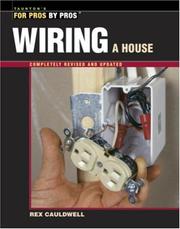
The backbone is Wiring a house by Rex Cauldwell — a master electrician who explains not just what the code requires but why, and who is opinionated about doing things better than minimum. Read it first and every other resource makes more sense. Pair it with Black and Decker the Complete Photo Guide to Wiring by Editors of Cool Springs Press, the visual companion: clear photo sequences of the actual repairs — receptacles, switches, fixtures — that make up ninety percent of homeowner jobs.
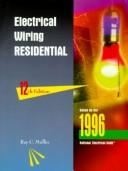
Then deepen the theory with Electrical wiring, residential by Ray C. Mullin — a genuine trade-school textbook that works through a whole house systematically, teaching you to think in circuits rather than in isolated fixes. Audel house wiring by Paul Rosenberg adds the working-electrician's pocket-reference view of the same material. Along the way you'll keep meeting the National Electrical Code; understand that it's a living document revised every few years, and always check current local requirements rather than any book's snapshot.
Two rewarding side doors round it out: Troubleshooting and repairing major appliances by Eric Kleinert, because appliance diagnosis is where circuit knowledge pays cash dividends, and Smart Home Hacks by Gordon Meyer for what becomes possible once the fundamentals are solid.
The habit: map your panel
Trace and label every circuit in your breaker panel — one circuit at a time, an hour a weekend. Flip a breaker, walk the house, note every outlet and fixture that died, label the panel properly. It's real practice with near-zero risk, it builds exactly the panel-to-fixture mental model the books describe, and it ends with something every future repair (and every electrician you ever hire) will benefit from. As a bonus, the surprises you find — the bedroom outlet on the kitchen circuit, the mystery breaker that controls nothing — are a preview of the detective work that is most of real electrical repair.
Expect about 70 hours of reading. Follow the path or start at the home electrical hub. The same DIY instincts extend to the home plumbing hub.
FAQ
- Is DIY electrical work legal?
- In most US jurisdictions homeowners may do electrical work on their own home, but permits and inspections are often required, and rules vary widely. Check local requirements first — and treat panel work and service entrances as electrician territory.
- What electrical jobs are safe for a beginner?
- With the breaker off and verified dead: replacing receptacles, switches, and light fixtures like-for-like. New circuits, panel work, and anything involving aluminum wiring or no ground are where you stop and call a licensed electrician.
Get the books
- 1Wiring a houseAmazon ↗Rex Cauldwell
- 2Electrical wiring, residentialAmazon ↗Ray C. Mullin
- 3Black and Decker the Complete Photo Guide to Wiring 8th EditionAmazon ↗Editors of Cool Springs Press
- 4Troubleshooting and repairing major appliancesAmazon ↗Eric Kleinert
- 5National electrical code, 1975Amazon ↗National Fire Protection Association
- 6HomeSkills: WiringAmazon ↗Editors of Cool Springs Press
As an Amazon Associate we earn from qualifying purchases. Some book links are affiliate links; you pay the same price and we may earn a small commission.
Follow the full reading path

Home electrical work, safely
Beginner8books71 hrs4 stages
@homesherpa♥ 0
Ready to learn something deeply?
Build a reading path — free