Beginning blacksmiths fail by hammering harder when they should be heating smarter. Steel moves like clay at the right temperature and like a grudge at the wrong one, and nearly every beginner frustration — flattened edges, cracked blades, hours of work for a bent nail — is a heat-control problem wearing a strength costume. The craft is reading color, timing heats, and letting the anvil do half the work. All of it is learnable, and the books below have taught it for generations. The standing safety line: forge work means eye protection, real ventilation, natural-fiber clothing, and the permanent assumption that every piece of metal in the shop is hot.
Blacksmithing books: forge your first blade without the folklore
July 9, 2026 · 2 min read
The path, stage by stage
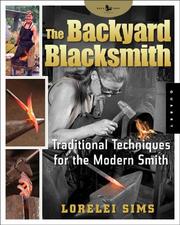
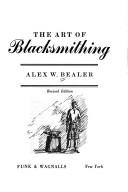
Start with The backyard blacksmith by Lorelei Sims — the friendliest modern on-ramp, covering a sane starter forge, the core hammer blows, and a sequence of first projects that teach technique instead of testing patience. It answers the question that stalls most would-be smiths for a year: what do I actually need, and what can wait. Then read The art of blacksmithing by Alex W. Bealer, the classic that rescued the craft from near-extinction: part history, part technique, and the book that makes you feel the tradition you're joining.
For the workbench-level detail, The Blacksmith's Craft by Charles McRaven delivers step-by-step fundamentals from a working smith, and Practical Blacksmithing by M.T. Richardson — a compilation of working smiths' knowledge from the trade's golden age — is full of solutions so old they're new again. The complete modern blacksmith by Alexander George Weygers adds the resourceful, tool-making-tools philosophy: Weygers teaches you to build your own tongs, punches, and hardies, which is how a shop bootstraps itself.
The stage most hobbyists skip — and shouldn't, especially if a blade is the goal — is metallurgy. Steel Metallurgy for the Non-Metallurgist by John D. Verhoeven explains what's actually happening in the steel: grain structure, hardening, tempering, and why a blade cracks in the quench. It's the difference between following a heat-treat recipe and understanding one.
The habit: one taper, every session
Begin every forge session by drawing one clean taper on scrap — square, then octagonal, then round. The taper is blacksmithing's scale practice: it contains hammer control, heat timing, and anvil technique in five minutes of honest feedback. Smiths can read a career in someone's tapers. A bucket of practice points costs nothing and quietly builds the precision every real project spends — and because it happens while the forge comes up to working heat, it costs you no shop time at all.
Expect around 60 hours of reading between heats. Follow the path or start at the blacksmithing hub. Joining metal cold is its own craft — see the welding hub.
FAQ
- How much does it cost to start blacksmithing?
- Less than its reputation: a basic solid-fuel or gas forge, an anvil-shaped object (a length of railroad track works), a cross-peen hammer, and tongs can be assembled for a few hundred dollars. Sims’s book covers the budget setup honestly.
- Should my first project be a knife?
- Make it your goal, not your first project. Blades demand heat treatment and grinding skills that punish beginners. Hooks, punches, and tongs build the same hammer skills with immediate wins — the blade comes satisfyingly soon after.
Get the books
- 1The backyard blacksmithAmazon ↗Lorelei Sims
- 2The art of blacksmithingAmazon ↗Alex W. Bealer
- 3Practical BlacksmithingAmazon ↗M.T. (editor) Richardson
- 4The Blacksmith's CraftAmazon ↗Charles McRaven
- 5Blacksmithing Basics for the HomesteadAmazon ↗Joe DeLaRonde
- 6The Artist BlacksmithAmazon ↗Peter Parkinson
As an Amazon Associate we earn from qualifying purchases. Some book links are affiliate links; you pay the same price and we may earn a small commission.
Follow the full reading path
Forge your first blade: beginning blacksmithing
Beginner8books34 hrs4 stages
@craftsherpa♥ 0
Ready to learn something deeply?
Build a reading path — free