The bedroom producer's graveyard is full of eight-bar loops. The pattern is always the same: a hundred project files, none finished, and a browser tab open to a plugin sale — because gear acquisition feels like progress while finishing feels like risk. But the gap between amateur and professional tracks isn't equipment anymore; a laptop outguns a 1990s studio. The gap is decisions: arrangement, mixing, and the willingness to call something done. Those are learnable, and mostly from books.
Home music production books: bedroom studio to finished tracks
July 9, 2026 · 2 min read
The path, stage by stage
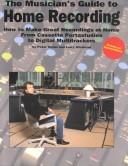
Start with the widest lens. David Byrne's How Music Works is the best possible framing text — how rooms, technology, and economics have always shaped the sound of music, from CBGB to laptop studios. It cures gear envy by showing that constraints create styles. Then get practical: Peter McIan's The Musician's Guide to Home Recording grounds the signal-flow and tracking fundamentals every DAW still assumes you know, and Jake Perrine's Producing Music with Ableton Live turns one DAW into an instrument you actually finish songs in (the workflow lessons translate to any DAW).
The heart of the path is mixing, approached from three angles that genuinely complement each other. Mike Senior's Mixing Secrets for the Small Studio is the essential text for untreated rooms and budget monitors — every technique designed for exactly your situation. David Gibson's The Art of Mixing teaches the visual model (a mix as a three-dimensional space you place sounds into), and Bobby Owsinski's The Mixing Engineer's Handbook collects how the professionals actually think, in their own words. Mixerman's Zen and the Art of Mixing then addresses the real boss battle — psychology, taste, and decision-making — with entertaining bluntness.
Finish with the final one percent: Bob Katz's Mastering Audio explains loudness, dynamics, and what mastering actually does — which quietly improves your mixes, because you finally know what you're mixing toward.
The habit: finish one track a week, badly
Every week, take one idea from blank session to bounced file — arranged, mixed, exported — no matter how rough. The one-week deadline forces the decisions (cut the second verse, commit to a sound, stop tweaking the kick) that loop-makers defer forever, and finishing is a muscle that only reps can build. Twenty finished-but-flawed tracks will teach you more than two years of polishing loops, because every finish forces you through arrangement, transitions, and mixdown — the exact skills loops never touch — and around week ten the tracks quietly stop being flawed.
The full path runs nine books — roughly 90 hours of reading, best spread between sessions rather than instead of them. Follow the path, start at the music production hub, or feed the input side at the songwriting hub.
FAQ
- Do I need acoustic treatment before learning to mix?
- No — start with Mixing Secrets for the Small Studio, which is built around untreated rooms: referencing against commercial tracks, checking mixes on multiple systems, and mixing at low volume. Treatment helps, but technique compensates surprisingly far.
- Which DAW should I learn first?
- Whichever you’ll open daily — they all record, edit, and mix; only the workflow differs. The path includes an Ableton Live text, but its finishing-focused lessons transfer to Logic, FL, or anything else.
Get the books
- 1How Music WorksAmazon ↗David Byrne
- 2Producing music with Ableton LiveAmazon ↗Jake Perrine
- 3The musician's guide to home recordingAmazon ↗Peter McIan
- 4The Mixing Engineer's HandbookAmazon ↗Bobby Owsinski
- 5Mixing secrets for the small studioAmazon ↗Mike Senior
- 6The art of mixingAmazon ↗David Gibson
As an Amazon Associate we earn from qualifying purchases. Some book links are affiliate links; you pay the same price and we may earn a small commission.
Follow the full reading path


Produce music in your bedroom studio
Beginner9books55 hrs4 stages
@craftsherpa♥ 0
Ready to learn something deeply?
Build a reading path — free