Everyone with a phone has a hundred hours of footage and no videos anyone rewatches. The instinct is to blame the software and watch another tutorial — but tutorials teach buttons, and the problem isn't buttons. The problem is that editing is a grammar: which shot follows which, when to cut, what to leave out. Learn the grammar and even holiday footage cuts together like it means something.
Edit family videos beautifully: a reading path for home editors
July 9, 2026 · 2 min read
The path, stage by stage
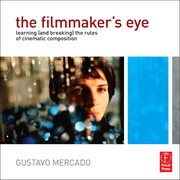
Start before the edit, with the shooting. How to Shoot Video That Doesn't Suck by Steve Stockman is the fastest fix in the whole path: shoot in shots, think in sequences, stop panning. Better raw material makes every later chapter easier. Pair it with The Filmmaker's Eye by Gustavo Mercado, which teaches you to see framing and composition the way editors wish shooters did.
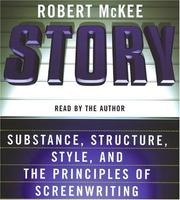
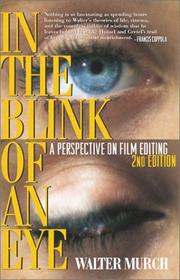
Then the heart of the path: why cuts work. In the Blink of an Eye by Walter Murch is the single best short book ever written on editing — his rule of six for what makes a cut feel right runs on emotion first, story second, and spatial continuity dead last, which is the exact inversion of how beginners cut. Grammar of the Edit by Roy Thompson systematizes the same territory into a workable rulebook. And Story by Robert McKee, though written for screenwriters, gives you the structural instinct — setup, tension, payoff — that turns a pile of clips into a three-minute film with a shape.
The craft-finishing stage is where home videos quietly become good. The Cool Stuff in Premiere Pro by Jarle Leirpoll covers the actual toolwork if Premiere is your editor, and Color Correction Handbook by Alexis Van Hurkman explains why the beach clip looks blue and how to fix it. Sound is half the picture: audiences forgive soft images but not bad audio.
For a final, wonderful deepening, The Conversations by Michael Ondaatje — book-length interviews with Murch — is the graduate seminar disguised as a pleasure read.
The habit: recut the same two minutes
Take one event — a birthday, a hike — and cut it three different ways: chronological, emotional, and one-minute ruthless. Same footage, different grammar. Nothing teaches editing judgment faster than seeing how much the same material changes when the cuts change, and family footage is the perfect low-stakes practice reel. Then show the ruthless one-minute cut to someone who was there and watch where their attention drifts — an audience of one relative is still an audience, and the drift points are your next lesson.
Roughly 90 hours of reading, applied one small project at a time. Follow the path or start at the video editing hub. Since better shooting is half of better editing, the photography hub is the natural next door.
FAQ
- Do these books apply if I don’t use Premiere Pro?
- Almost entirely, yes. Only the Leirpoll book is software-specific; Murch, Thompson, Mercado, and McKee are about the grammar of cutting and storytelling, which transfers to any editor — including free ones.
- What’s the biggest beginner editing mistake?
- Keeping too much. Murch’s core lesson is that editing is choosing what to lose; a tight two-minute video beats a complete twenty-minute one every single time.
Get the books
- 1StoryAmazon ↗Robert McKee
- 2The filmmaker's eyeAmazon ↗Gustavo Mercado
- 3In the blink of an eyeAmazon ↗Walter Murch
- 4The ConversationsAmazon ↗Michael Ondaatje
- 5The Cool Stuff in Premiere ProAmazon ↗Jarle Leirpoll
- 6How to shoot video that doesn't suckAmazon ↗Steve Stockman
As an Amazon Associate we earn from qualifying purchases. Some book links are affiliate links; you pay the same price and we may earn a small commission.
Follow the full reading path
Edit family videos beautifully
Beginner10books97 hrs5 stages
@craftsherpa♥ 0
Ready to learn something deeply?
Build a reading path — free