Adults abandon guitar for a predictable reason — not stiff fingers, but bad sequencing: months of joyless drills with no music in sight, or YouTube chaos with no progression at all. The fix is a structured path that gets real songs under your fingers early while quietly building technique underneath.
The order below separates three things that beginners tend to mix into one frustrating pile: a method to work through, a reference to look things up in, and the theory that explains why any of it works. Doing the method is the daily job. The rest is support.
Stage 1: the method
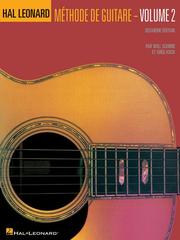
Our guitar path is built on the method that has taught more guitarists than any other: Hal Leonard Guitar Method Book 1 by Will Schmid — short lessons, real tunes, honest progression — followed by Hal Leonard Guitar Method Book 2, which is where chords, keys and position playing arrive. Work through them in order and resist skipping ahead; the books are short and the sequencing is the product.
If you specifically want fingerstyle and folk rather than pick-and-strum, The Acoustic Guitar Method - Complete Edition by David Hamburger is the better spine — it teaches from real traditional repertoire and gets you playing music with a recognisable shape sooner. Pick one method and finish it rather than owning both.
Stage 2: the reference shelf
Guitar for dummies by Mark Phillips rides alongside as the friendly reference for everything the method assumes you already know: tuning, changing strings, what a capo is for, why your chord buzzes. Then Ralph Denyer's The guitar handbook — the legendary all-in-one, part chord dictionary, part instrument encyclopedia, part history — which is the book you keep on the shelf for the next thirty years rather than reading through.
Stage 3: the understanding layer
Around the three-month mark, when chords are changing and something in your playing starts to feel arbitrary, add theory. Tom Kolb's Music Theory for Guitarists teaches it on the fretboard where guitarists actually think, rather than from a piano keyboard — the difference matters more than it sounds. Fretboard Logic III Applications by Bill Edwards is the moment the neck stops being a mystery and becomes a map of five repeating shapes; note that it is the third volume of a series, so start with the earlier ones if the system is new to you.
Stage 4: the part that is not about guitar
Two books address the actual reason adults quit, which is not the instrument. The Practicing Mind by Thomas Sterner is about process over outcome — staying with a task when progress is invisible — and it is the most useful non-musical book you can read in month two. Zen guitar by Philip Toshio Sudo is the more idiosyncratic take, a short book of aphorisms about playing as practice rather than performance. It will either land or it will not; it costs an hour to find out.
The habit: ten minutes, every day, with a song
The research on adult skill learning is unambiguous: daily short practice beats weekend marathons, and motivation survives on music, not exercises. End every session playing something you like, however simply. The calluses arrive in two weeks; the chord changes smooth out in six; the guitar stops fighting you within three months.
About 90 hours of reading-and-playing. Follow the path — and if keys call instead, there's piano for adults.
Ready to learn something deeply?
Build a reading path — free