Home bartenders stall in a predictable spot: forty bottles, four hundred saved recipes, and drinks that still taste like a hotel minibar. The problem is that recipes don't teach balance. Professional bartenders think in templates — a Margarita, a Daiquiri, and a Whiskey Sour are the same drink wearing different clothes — and in technique, because a great recipe shaken badly with warm ice is a bad drink. Learn the templates and the technique, and a modest shelf of bottles becomes hundreds of drinks.
Home mixology books: mix world-class cocktails without the bar tab
July 9, 2026 · 2 min read
The path, stage by stage
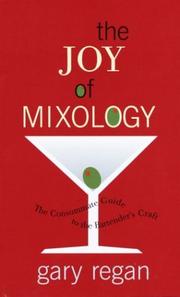
Technique first, because it's the cheapest upgrade you'll ever make. Jeffrey Morgenthaler's The Bar Book is entirely about execution — shaking, stirring, ice, juicing, measuring — the craft equivalent of knife skills, and it improves every drink you already make. Gary Regan's The Joy of Mixology pairs with it as the thinking bartender's foundation; his family-tree approach to cocktails is the original insight that recipes are variations on a handful of structures.
Then the template masterclass: Cocktail Codex by Alex Day and the Death & Co team argues that six root recipes generate essentially all cocktails, and teaches you to riff deliberately instead of collecting. It's the most useful modern cocktail book, full stop. David Wondrich's Imbibe! adds the history — the nineteenth-century origins of the whole art, told by its best historian — which turns every classic on your list from a recipe into a story you can serve alongside the drink.
The flavor-building stage goes beyond the shaker. Amy Stewart's The Drunken Botanist tours the plants behind every bottle on your shelf, Brad Thomas Parsons's Bitters covers the seasoning rack of the cocktail world (with DIY recipes), and Karen Page's The Flavor Bible — a chef's reference, not a bartender's — becomes your idea engine for original combinations. Finish with Death & Co by David Kaplan, the influential bar's book, for a look at modern craft standards at full ambition.
The habit: one classic, three ways
Each week, take a single classic — Daiquiri, Old Fashioned, Negroni — and make it three times with one variable changed: the ratio, the spirit, or the bitters. Taste side by side and write two lines on what changed. This is exactly how professional bartenders develop palate, it uses bottles you already own, and after a couple of months you'll be able to taste a recipe on paper — which is the actual skill the forty-bottle collectors never build, and the reason a good bartender can fix a drink with a quarter-ounce adjustment.
Nine books, roughly 90 hours of reading — sipping while you study is traditional. Follow the path, browse the mixology hub, or apply the same nerdery to your mornings at the espresso hub.
FAQ
- How many bottles do I need to start a home bar?
- Six to eight, chosen around the root templates: a gin, a whiskey, a rum, dry and sweet vermouth, an orange liqueur, and bitters. Cocktail Codex shows how far that shelf stretches — much further than most forty-bottle collections.
- Does ice really matter that much?
- It’s the most underrated variable in cocktails — ice is both your chilling and your dilution, and bad ice ruins good recipes. The Bar Book treats it with the seriousness it deserves and fixes it cheaply.
Get the books
- 1The bar bookAmazon ↗Jeffrey Morgenthaler
- 2The Joy of MixologyAmazon ↗Gary Regan
- 3The Savoy cocktail bookAmazon ↗Harry Craddock
- 4Imbibe!Amazon ↗David Wondrich
- 5Cocktail codexAmazon ↗Alex Day
- 6The Drunken BotanistAmazon ↗Amy Stewart
As an Amazon Associate we earn from qualifying purchases. Some book links are affiliate links; you pay the same price and we may earn a small commission.
Follow the full reading path


Mix world-class cocktails at home
Beginner9books67 hrs4 stages
Ready to learn something deeply?
Build a reading path — free