Everyone's first homebrew is drinkable. The gap between drinkable and great — beer you hand to a friend without a disclaimer — comes down to two unglamorous skills: sanitation and fermentation temperature. Both are fully learnable from books before your first boil.
Start homebrewing: your first great beer, not just your first beer
July 9, 2026 · 1 min read
The path, stage by stage
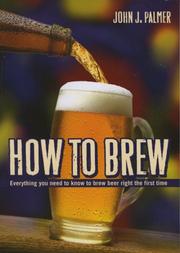
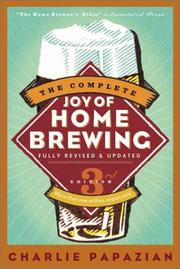
Our homebrewing path starts with the two founding texts: John Palmer's How to Brew (the technical bible — start here) and Charlie Papazian's The Complete Joy of Home Brewing (the spirit of the hobby: relax, don't worry). Then it levels up deliberately: Brewing Classic Styles gives you proven recipes for every style; Ray Daniels' Designing Great Beers teaches you to build your own; Chris White's Yeast goes deep on the organism doing the actual work; and Gordon Strong's Brewing Better Beer is the master-class polish.
The habit: obsess over the cold side
New brewers obsess over the boil; good beer is made after it. Sanitize everything the wort touches, pitch enough healthy yeast, and hold fermentation temperature steady — a $40 temperature-controlled tub improves beer more than $400 of shiny kettles. Every book in the path repeats this in its own way; believe them.
Around 95 hours of reading, ideally with a batch bubbling nearby. Follow the path or browse the homebrewing hub. The microbiology connects straight to fermented vegetables — same magic, faster results.
FAQ
- Extract or all-grain for a first batch?
- Extract, without hesitation — it removes the hardest variables while you learn sanitation and fermentation. Palmer’s book is structured exactly this way. All-grain is a natural second season.
- How long until I’m drinking my beer?
- Four to six weeks from brew day for most ales: two-plus in the fermenter, two-plus conditioning. Patience is a brewing skill — the books will talk you out of opening bottles early.
Get the books
- 1How to BrewAmazon ↗John J. Palmer
- 2The complete joy of home brewingAmazon ↗Charlie Papazian
- 3Brewing classic stylesAmazon ↗Jamil Zainasheff
- 4Designing Great BeersAmazon ↗Ray Daniels
- 5YeastAmazon ↗Chris White
- 6WaterAmazon ↗John Palmer
As an Amazon Associate we earn from qualifying purchases. Some book links are affiliate links; you pay the same price and we may earn a small commission.
Follow the full reading path

Brew your first great beer
Beginner8books63 hrs4 stages
Ready to learn something deeply?
Build a reading path — free