The most common home espresso story: someone spends real money on a machine, pulls sour, thin shots for two weeks, and decides espresso is a café thing. The machine was never the problem. Espresso is an unforgiving extraction — tiny changes in grind, dose, and time swing the cup from sour to bitter — and the skill is dialing in: a systematic taste-and-adjust loop the machine can't do for you. That loop is completely learnable, and the coffee literature is unusually good at teaching it.
Home espresso and coffee brewing: pull café-quality shots in your kitchen
July 9, 2026 · 2 min read
The path, stage by stage
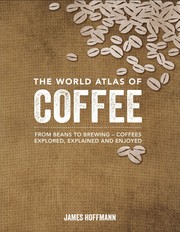
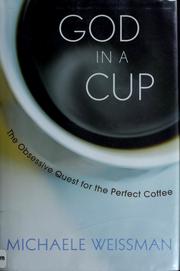
The path starts with the raw material, because no technique rescues stale or mediocre beans. James Hoffmann's The World Atlas of Coffee is the map — origins, varieties, processing, and why beans taste the way they do — while Michaele Weissman's God in a Cup tells the specialty-coffee story with the people in it, the why behind the whole third-wave project. Jessica Easto's Craft Coffee then grounds you in manual brewing — pour-over, immersion, ratios — which is the gentlest place to learn extraction logic before espresso raises the stakes.
Then the espresso core. Scott Rao's The Professional Barista's Handbook is the technical standard: extraction theory, dose and yield, milk, and the discipline of consistency — the book that turns dialing in from ritual into reasoning. Andrea Illy's Espresso Coffee goes deeper into the science of the beverage itself, from one of the families that industrialized it. The Blue Bottle Craft of Coffee by James Freeman rounds out the craft perspective, and for the truly hooked, Rao's The Coffee Roaster's Companion opens the final frontier — roasting your own.
Starting with manual brewing before espresso isn't a detour; it's the cheap classroom. Every extraction concept espresso will demand — grind size, ratio, time, temperature — shows up in a pour-over first, at stakes measured in one sad cup rather than a sink full of sour shots. Readers who do the Easto chapters properly arrive at Rao already speaking the language.
The habit: change one variable per shot, and log it
Dialing in only works as a controlled experiment. Keep a shot log — dose in, grind setting, yield out, time, and a one-line taste note — and change exactly one variable between shots. Sour and fast: grind finer. Bitter and slow: coarser. One variable, every time, written down. Two weeks of disciplined logging teaches more than a year of vibes-based adjustment, and the log becomes your starting recipe for every new bag of beans.
Budget about 80 hours of reading, generously caffeinated. Follow the path or start at the espresso and coffee hub. If flavor systems are your thing generally, cooking fundamentals scratches the same itch at dinner scale.
FAQ
- What matters more: the espresso machine or the grinder?
- The grinder, decisively — espresso demands fine, consistent, adjustable grinding, and a capable grinder with a modest machine beats the reverse every time. The books are unanimous on this, and it’s the most common budget mistake beginners make.
- Can I learn good coffee without buying an espresso machine?
- Absolutely — pour-over and immersion brewing teach the same extraction principles at a fraction of the cost, and the path includes manual brewing for exactly that reason. Many readers dial in their palate for months before committing to a machine.
Get the books
- 1The World Atlas of CoffeeAmazon ↗James Hoffmann
- 2God in a cupAmazon ↗Michaele Weissman
- 3The Coffee Roaster's CompanionAmazon ↗Scott Rao
- 4The Blue Bottle Craft of CoffeeAmazon ↗James Freeman
- 5Espresso coffeeAmazon ↗Andrea Illy
- 6The professional barista's handbookAmazon ↗Scott Rao
As an Amazon Associate we earn from qualifying purchases. Some book links are affiliate links; you pay the same price and we may earn a small commission.
Follow the full reading path

Pull great espresso in your own kitchen
Beginner8books33 hrs4 stages
Ready to learn something deeply?
Build a reading path — free