Mushroom growing has a single boss battle, and it isn't complexity — it's contamination. Beginners lose grow after grow to green mold and give up, concluding the hobby needs a lab. It doesn't. It needs clean technique and an understanding of what fungi actually want, both of which are learnable from books before you spend a dollar on equipment. The growers who succeed think like their mycelium; the ones who quit were just following steps.
Growing gourmet mushrooms at home: books from spore to harvest
July 9, 2026 · 2 min read
The path, stage by stage
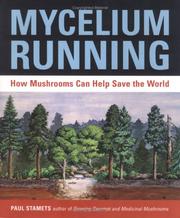
Start with wonder — it fuels the discipline later. Merlin Sheldrake's Entangled Life is the best book ever written about what fungi are: networked, boundary-blurring organisms that make soil, minds, and bread possible. Paul Stamets's Mycelium Running adds the visionary case that fungi can repair damaged ecosystems; whatever you make of its bolder claims, it will permanently upgrade how you see a log.
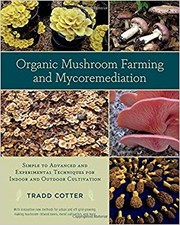
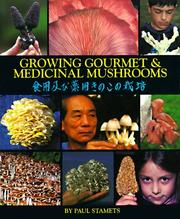
Then the craft. Stephen Russell's The Essential Guide to Cultivating Mushrooms is the right first grow book — kitchen-scale technique, honest about failure points, focused on the forgiving species (oysters especially) a beginner should start with. Tradd Cotter's Organic Mushroom Farming and Mycoremediation scales up with low-tech, garden-integrated methods and genuinely inventive experiments. And Stamets's Growing Gourmet and Medicinal Mushrooms is the encyclopedia — species-by-species growth parameters that turn troubleshooting from guesswork into lookup. Peter McCoy's Radical Mycology rounds out the culture stage with DIY methods the commercial literature skips.
Identification still matters, even for growers: know exactly what you're eating, every time — contaminants happen, and outdoor beds can fruit surprises that merely resemble what you planted. David Arora's Mushrooms Demystified is the reference that keeps that rule easy to follow, and it doubles as the field guide when your new fungal literacy inevitably pulls you into the woods.
The habit: one species, three substrates
Resist the classic beginner urge to grow six different species at once. Pick oyster mushrooms — the most forgiving gourmet species — and run them on three different substrates simultaneously: straw, coffee grounds, hardwood pellets. Log colonization speed, contamination, and yield for each. One month, one species, three data points teaches you more about fungal behavior than a year of scattered attempts — you'll see with your own eyes how substrate drives speed, contamination resistance, and flavor — and the note-keeping habit is exactly what separates growers who improve from growers who repeat the same failed grow with more expensive equipment.
The full path runs eight books — roughly 80 hours of reading, and front-loading it before your first grow bag is where it saves the most money and the most disappointment. Follow the path, start at the mushroom growing hub, or take the skills outdoors at the foraging hub.
FAQ
- Do I need a sterile lab to grow mushrooms?
- Not to start. Oyster mushrooms on pasteurized straw or coffee grounds tolerate kitchen-level cleanliness, and Russell’s guide is built around exactly that tier. Sterile technique matters later, when you move to agar work and pickier species.
- What’s the easiest gourmet mushroom for a beginner?
- Oysters, by a wide margin — they colonize fast, outcompete most contaminants, and fruit on almost anything. Every book on this path uses them as the training species for good reason.
Get the books
- 1Organic mushroom farming and mycoremediationAmazon ↗Tradd Cotter
- 2Mycelium runningAmazon ↗Paul Stamets
- 3Growing Gourmet and Medicinal MushroomsAmazon ↗Paul Stamets
- 4Radical MycologyAmazon ↗Peter McCoy
- 5The essential guide to cultivating mushroomsAmazon ↗Stephen Russell
- 6Entangled LifeAmazon ↗Merlin Sheldrake
As an Amazon Associate we earn from qualifying purchases. Some book links are affiliate links; you pay the same price and we may earn a small commission.
Follow the full reading path
Grow gourmet mushrooms at home
Beginner8books86 hrs5 stages
Ready to learn something deeply?
Build a reading path — free