Epic fantasy is the genre most likely to be ruined by a wrong entry point. Start with the densest doorstopper because the internet said it was the best, bounce off two hundred pages of names, and conclude the genre is not for you. The genre is for you. You just entered through the wrong gate.
Reading order matters in fantasy for a reason beyond difficulty: the genre is one long conversation. The modern masters are answering the classics, and grimdark is arguing with heroic fantasy. Read in sequence and you hear the conversation instead of just the noise.
Stage 1: the roots
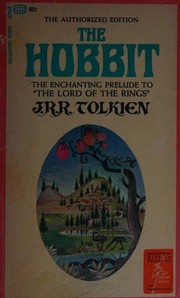
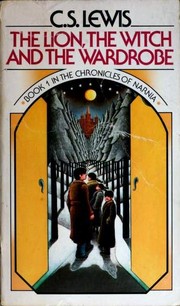
Start with The Hobbit by J.R.R. Tolkien, still the most welcoming door into secondary-world fantasy, then The Fellowship of the Ring, where Tolkien establishes virtually every convention the genre has spent seventy years embracing or rebelling against. Read The Lion, the Witch and the Wardrobe by C. S. Lewis for the parallel tradition of portal fantasy, and A Wizard of Earthsea by Ursula K. Le Guin, a short, perfect book whose economy and moral seriousness are the genre's counterargument to bloat. These four are fast reads; do not skip them, because everything after is talking to them.
Stage 2: the epic tradition at full scale
The Eye of the World by Robert Jordan launches the Wheel of Time and defines the sprawling multi-volume epic: prophecies, a farm boy, a world in motion. Then A Game of Thrones by George R. R. Martin, which took the epic and injected political realism and genuine mortality; its impact on the genre is impossible to overstate. Follow with The Name of the Wind by Patrick Rothfuss for what sheer prose beauty can do inside a familiar frame, with the honest caveat that the trilogy remains unfinished.
Stage 3: the rebuttals and the new masters
The Blade Itself by Joe Abercrombie is grimdark's sharpest entry point, gleefully inverting heroic archetypes with the genre's best character voice. The Way of Kings by Brandon Sanderson represents the modern systematized epic: rigorous magic, methodical payoff, and the most devoted fanbase in fantasy. Then The Fifth Season by N. K. Jemisin, which won three consecutive Hugo awards by breaking the genre's structural rules, second-person narration and all, and rebuilding them around grief and survival. Finish with The Priory of the Orange Tree by Samantha Shannon, a standalone epic that proves the doorstopper can be self-contained.
How to actually read this
Alternate lengths: after each doorstopper, take the shorter classic that comes next rather than chaining thousand-pagers. Do not force series completion; this path deliberately samples first volumes so you can choose which worlds to live in afterward. And keep a simple log of what each book does with the farm boy, the dark lord, and the map, because watching those pieces get subverted is half the pleasure of reading in order.
The full staged path is at the full reading path. Related genres live on the subject hub, or build your own list.
Ready to learn something deeply?
Build a reading path — free