Almost everyone's Shakespeare problem was installed in a classroom: handed one of the hardest plays at fifteen, made to decode it line by line, tested on themes. That method teaches one lesson — Shakespeare is homework — and most people never appeal the verdict. Which is a genuine loss, because the plays were popular entertainment, built to grip groundlings who paid a penny to stand in the mud. The fix is not trying harder. It is reading the right plays in the right order, with a little scaffolding first.
How to Enjoy Shakespeare: A Reading Path That Actually Works
July 11, 2026 · 3 min read
Why order matters here
Shakespeare's language takes calibration — a few plays' worth of exposure before the syntax stops fighting you. Start with the densest tragedies and you spend that calibration period suffering; start with the fast, funny plays and you build fluency while actually enjoying yourself. Then the great tragedies land with their full weight, because you are reading them for the experience rather than the decryption.
The path, stage by stage
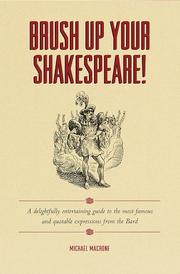
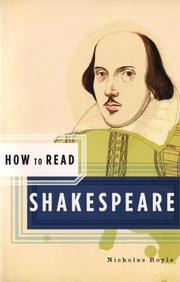
Start with scaffolding, briefly. Brush Up Your Shakespeare! by Michael Macrone is a painless tour of the phrases you already quote without knowing it — instant evidence that this language is yours. How to Read Shakespeare by Nicholas Royle teaches the practical skill: how the verse moves, what to do when you lose the thread, why reading aloud changes everything. An hour with each and you are equipped.
Then read the fun ones. A Midsummer Night's Dream is the ideal first play — short, fast, and genuinely funny, with lovers lost in a forest and the theater's greatest amateur drama troupe. Follow with Much Ado About Nothing, whose sparring couple invented the template for every romantic comedy since. Then Romeo and Juliet — which you think you know, and which is far stranger, funnier, and faster than its reputation.
Now the summit. Hamlet is the play the whole tradition orbits: a revenge thriller that keeps stopping to ask whether anything means anything, with the most quoted lines in English arriving like old friends. Then King Lear, the bleakest and, for many readers, the greatest — an old man dividing his kingdom by demanding declarations of love, and the storm that follows. Reading these fifth and sixth rather than first is the entire trick of this path.
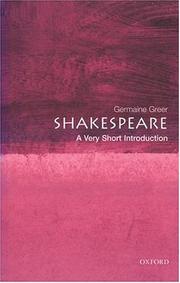
Finish by going deeper, if the plays have caught you. Shakespeare's Language by Frank Kermode examines how the verse itself thinks. Shakespeare by Germaine Greer is a compact, sharp introduction to the mind behind the plays. The Shakespeare Wars by Ron Rosenbaum is a delightfully obsessive tour of the scholarly feuds — proof of how alive these texts remain — and Shakespearean Negotiations by Stephen Greenblatt shows how the plays traded energy with their historical moment.
The full sequence, staged with study plans, is at the full reading path.
How to actually study this
Three rules. Read aloud, at conversational speed — the verse was written for the ear, and half the difficulty evaporates when it gets one. Watch a performance of each play after reading it (film versions count); these are scripts, and performance is their finished form. And keep moving past what you don't catch — Elizabethan audiences missed lines too, and the plays are built to carry you anyway.
Start at the Shakespeare hub, or browse other paths in fiction and poetry when the reading bug spreads.
FAQ
- Which Shakespeare play should I read first?
- A Midsummer Night's Dream — short, fast, and funny, so you build fluency with the language while enjoying yourself. Save Hamlet and Lear for fourth or fifth.
- Why is Shakespeare so hard to read?
- Mostly calibration: the syntax and vocabulary take a few plays of exposure. Reading aloud and starting with the comedies shrinks the difficulty dramatically.
- Is it better to read Shakespeare or watch it?
- Both, in that order per play: read for the language, then watch a performance to see the script do its real job. The combination is where the plays come alive.
Get the books
- 1ShakespeareAmazon ↗Germaine Greer
- 2Brush Up Your Shakespeare!Amazon ↗Michael Macrone
- 3How to read ShakespeareAmazon ↗Royle, Nicholas
- 4A Midsummer Night's DreamAmazon ↗William Shakespeare
- 5Much Ado About NothingAmazon ↗William Shakespeare
- 6Romeo and JulietAmazon ↗William Shakespeare
As an Amazon Associate we earn from qualifying purchases. Some book links are affiliate links; you pay the same price and we may earn a small commission.
Follow the full reading path
Actually enjoy Shakespeare
Beginner11books63 hrs4 stages
Ready to learn something deeply?
Build a reading path — free