Glassblowing is one of the few crafts where the material is trying to hurt you the entire time — molten glass runs around 2,000 degrees, and the studio is a choreography of heat, timing, and teamwork. That danger is exactly why reading has a place here. Books will not teach your hands to gather and blow, but they will teach you what you are getting into, why the craft looks the way it does, and what mastery even means before you step up to the furnace.
Be honest with yourself about the limits: this is a hands-on, safety-critical craft that must be learned in a hot shop with an experienced instructor and proper equipment. Never treat a book as a substitute for that training. Read to understand and to fall in love with the material; learn to blow in a real studio.
Why order matters here
This is a small, focused path, and the order takes you from wonder to understanding. Start with the artistry so you know what is possible, move to the deep material history so you respect what you are handling, and let the culmination be the work of a modern master.
The path, stage by stage
Begin with The Other Side of the Looking Glass by Susanne K. Frantz, which situates studio glass as a serious art form and shows the range of what artists have done with it. That vision gives you a reason to care about the harder material underneath.
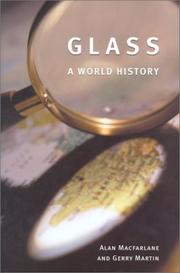
Then read Glass by Alan Macfarlane, a wide-ranging history of the material itself — how glass shaped science, architecture, and everyday life for millennia. It is the book that turns glass from a novelty into one of civilization's quiet protagonists, and it deepens your respect for the substance before you ever handle it.
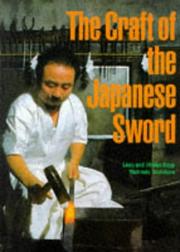
For a lateral lesson in mastery, The craft of the Japanese sword by Leon Kapp is included as a study of what elite material craftsmanship demands — patience, apprenticeship, and reverence for process — lessons that transfer directly to any furnace craft. Finish with Chihuly by Dale Chihuly, a look at the artist who did more than anyone to bring blown glass into the contemporary art world; let it be the aspirational close to the path.
How to actually learn this
Read these for context and motivation, then find a studio. Take an introductory class before you buy anything, and follow the shop's safety protocol exactly — heat-appropriate clothing, eye protection, and the discipline of never grabbing hot glass. Keep a notebook of terms and techniques from your reading and check them against what your instructor shows you; the gap between the page and the bench is where the real learning happens.
Ready to explore the craft? Follow the full reading path for the staged study plan, visit the subject hub, or browse related crafts.
Ready to learn something deeply?
Build a reading path — free