German has a fearsome reputation — those long compound words, the cases, the genders you seemingly have to memorize one noun at a time. Some of that fear is earned, but most of the struggle comes from how people try to learn it: they buy three grammar books, drill tables, and never actually use the language. Grammar is a reference you consult, not a subject you complete. The learners who succeed build a habit of input and practice, and reach for grammar to answer specific questions.
So the order here is not "hardest book last." It is: a working course and a memory method first, a grammar reference alongside, then real German you actually read.
One honest caveat before the list: books and apps build vocabulary and grammar, but a language is a skill of use. Nothing here replaces speaking practice, listening to real German, and ideally time with a tutor or immersion. The reading accelerates you; the fluency comes from output.
Start with a course and a memory system
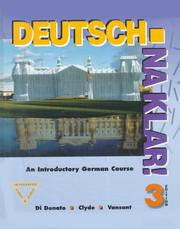
Begin with a structured course so you are not assembling the language from scattered rules. Deutsch, na klar! by Robert Di Donato is a well-regarded introductory course that teaches German in context, with culture and real usage baked in. Alongside it, read Fluent Forever by Gabriel Wyner — not a German book but a method book, on how to use spaced repetition and pronunciation training to actually retain vocabulary. Wyner’s system is what stops the words from leaking out as fast as you learn them.
Keep a grammar reference within reach
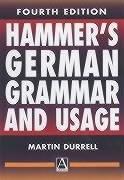
You need a reference, not a curriculum, for grammar. German: An Essential Grammar by Bruce Donaldson is a clear, compact explainer for looking up how cases, word order, and verbs behave. When you want more depth, Hammer’s German Grammar and Usage by Martin Durrell is the comprehensive standard that answers almost any question German throws at you. Consult these; do not try to read them front to back.
Drill and then read for real
Cement the patterns with focused practice from Practice Makes Perfect by Ed Swick, a workbook of exercises that turns passive recognition into active recall. Then, as soon as you can, start reading real German. Der Vorleser by Bernhard Schlink is a modern novel written in accessible prose — reading something you actually care about is where vocabulary and grammar finally fuse into comprehension. If you prefer a guided bridge, Complete German by Paul Coggle eases you toward independent reading and listening.
How to actually learn it
Study a little every day rather than cramming; language learning is built on frequency. Front-load pronunciation so new words go in correctly the first time. Use spaced repetition for vocabulary and always learn nouns with their gender attached. Get comprehensible input daily — podcasts, shows, graded readers — and start speaking early and badly, because errors are how you improve. Above all, find real conversation partners or a tutor; the books are the scaffold, but the language lives in use.
Ready to build a real plan? Follow the full reading path, explore the subject hub, or browse related language paths.
Ready to learn something deeply?
Build a reading path — free