Most new aquariums fail in the first month, and almost always for the same reason: the owner bought fish before bacteria. An aquarium isn't a container of water with fish in it — it's a nitrogen-processing ecosystem, and until invisible bacterial colonies establish themselves, fish are swimming in their own accumulating waste. Pet stores rarely explain this well. Books do, and the good ones then take you somewhere pet stores never mention: tanks that run as ecosystems beautiful enough to be furniture.
Freshwater aquarium books: keep fish alive, then make it beautiful
July 9, 2026 · 2 min read
The path, stage by stage
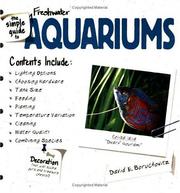
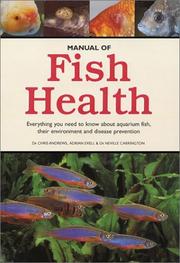
Start with survival. David E. Boruchowitz's The Simple Guide to Freshwater Aquariums is the calm, correct on-ramp — cycling, stocking, feeding, and maintenance without the contradictory folklore of forum threads. Chris Andrews's The Manual of Fish Health is the companion you'll be glad you read early: water chemistry, disease recognition, and treatment, which matter most in the first months when problems are likeliest.
Then learn who you're keeping. Herbert R. Axelrod's Atlas of Freshwater Aquarium Fishes and Rudiger Riehl's Aquarium Atlas are the classic references — thousands of species with their real requirements. Reading them changes how you shop: instead of buying whatever's cute and hoping, you design a community around compatible temperaments, water parameters, and adult sizes. Most "mystery deaths" are stocking mistakes made at the store.
The final stage is the leap from keeping fish to running an ecosystem. Diana L. Walstad's Ecology of the Planted Aquarium is the intellectual heavyweight of the hobby — a rigorous, research-dense argument that plants, soil, and fish can form a nearly self-regulating system needing remarkably little intervention. Then Takashi Amano's Nature Aquarium World shows what the hobby looks like as art: the legendary Japanese aquascapes that treat a tank as living landscape composition. George Farmer's Aquascaping translates that inspiration into modern, step-by-step technique.
The habit: the water log
Test your water weekly — ammonia, nitrite, nitrate — and write the numbers down with a one-line note on what you changed or observed. The log does two things: it catches problems while they're still invisible (parameters drift before fish show stress), and over months it teaches you your tank's personality, which is the actual skill of fishkeeping. Five minutes a week, and it converts every book on this path from theory into things you're watching happen in your own glass box. Six months in, you'll read a cloudy-water day the way Walstad would — as data about a system, not a crisis demanding a product from the pet store shelf.
The full path runs seven books — roughly 70 hours of reading, with the two atlases serving as lifetime references. Follow the path, start at the aquariums hub, or feed the ecosystem-thinking itch at the biology hub.
FAQ
- What is cycling and why does it matter so much?
- Cycling is establishing the bacterial colonies that convert toxic fish waste (ammonia) into progressively safer compounds. It takes weeks, and adding fish before it completes is the single most common reason new tanks fail.
- Is a planted tank harder than a regular one?
- Counterintuitively, often easier once established — Walstad’s book argues plants do much of the filtration and stabilization for you. The setup takes more thought; the maintenance takes less.
Get the books
- 1The simple guide to freshwater aquariumsAmazon ↗David E. Boruchowitz
- 2The manual of fish healthAmazon ↗Chris Andrews
- 3Atlas of freshwater aquarium fishesAmazon ↗Herbert R. Axelrod
- 4Aquarium Atlas (Baensch Freshwater) Vol. 1Amazon ↗Rudiger Riehl
- 5Ecology of the Planted AquariumAmazon ↗Diana L. Walstad
- 6Nature Aquarium WorldAmazon ↗Takashi Amano
As an Amazon Associate we earn from qualifying purchases. Some book links are affiliate links; you pay the same price and we may earn a small commission.
Follow the full reading path

Keep a thriving freshwater aquarium
Beginner7books75 hrs5 stages
Ready to learn something deeply?
Build a reading path — free