The French Revolution is one of history's great tangles: within a decade France went from monarchy to republic to Terror to empire, with a cast of hundreds and a shifting calendar to match. Read the wrong book first and you drown in names. This is a subject where order is not a nicety — it is the difference between a story you can follow and a fog of factions. The path deliberately gives you a narrative spine before the analytical heavyweights.
The French Revolution & Napoleon: a reading path in order
July 12, 2026 · 2 min read
Start with a spine
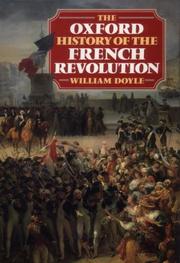
Begin with The Oxford History of the French Revolution by William Doyle, the best clear single-volume account of the whole event, from the crisis of the old regime through Napoleon. It is your reference and your map. Then read Citizens by Simon Schama, a big, vivid, story-driven history that makes the Revolution feel immediate and human, even as it argues a darker view of the violence.
Into the Terror
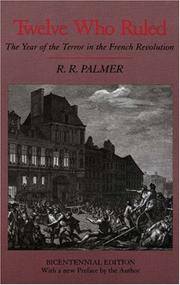
Now go close on the Revolution's most frightening phase. Twelve Who Ruled by R. R. Palmer is the classic study of the Committee of Public Safety — how a small group ran the Terror and why. It turns "the Terror" from a slogan into a set of decisions made by particular people under pressure.
The ideas underneath
With the events in place, ask what the Revolution was for. Revolutionary Ideas by Jonathan Israel argues that radical Enlightenment philosophy drove it, giving you the intellectual engine behind the barricades. This is the stage where the Revolution stops being pure chaos and becomes a war of ideas.
Then Napoleon
The Revolution does not end so much as transform into a man. Napoleon by Andrew Roberts is the readable, sympathetic modern biography that carries you from artillery officer to emperor. For the military side, The Campaigns of Napoleon by David Chandler is the definitive account of how he actually fought — dense, but the reference everyone cites. Read the biography first; use Chandler to go deep on the battles that interest you.
How to actually read this
- Keep Doyle nearby as a reference and check confusing moments against it as you read the livelier books.
- Build a simple timeline: 1789, the Terror in 1793 to 1794, the Directory, then Napoleon's rise. Almost all confusion comes from losing the sequence.
- Notice how each author judges the violence differently. Schama, Palmer, and Israel disagree on what the Revolution meant, and holding their disagreement is the real understanding.
For the full staged sequence with study plans, follow the full reading path or start at the French Revolution subject hub. Reading it alongside the American Revolution path makes both sharper.
FAQ
- What is the best single book on the French Revolution?
- The Oxford History of the French Revolution by William Doyle is the best one-volume account — clear, comprehensive, and a reliable map for everything else you read.
- Should I read about Napoleon separately?
- No — the empire grew directly out of the Revolution. Andrew Roberts's Napoleon picks up the story naturally, with The Campaigns of Napoleon for the military detail.
Get the books
- 1The Oxford History of the French RevolutionAmazon ↗Doyle, William
- 2CitizensAmazon ↗Simon Schama
- 3Twelve who ruledAmazon ↗R. R. Palmer
- 4Revolutionary ideasAmazon ↗Jonathan I. Israel
- 5NapoleonAmazon ↗Andrew Roberts
- 6The campaigns of NapoleonAmazon ↗David Chandler
As an Amazon Associate we earn from qualifying purchases. Some book links are affiliate links; you pay the same price and we may earn a small commission.
Follow the full reading path

The French Revolution & Napoleon, in order
Beginner9books134 hrs4 stages
Ready to learn something deeply?
Build a reading path — free