People assume copyediting is about being a grammar stickler who has memorized every rule. The good ones will tell you it is almost the opposite: it is judgment about which rules serve the reader and which are superstitions to ignore. A copyeditor who "corrects" everything they were told was wrong in school makes prose worse. That is why you cannot learn this by cramming a rulebook — you have to develop an ear and then a professional method, in that order.
So the path moves from writing well, to editing others, to the reference works that settle disputes. Reading ORDER matters because the style manuals only make sense once you understand what good prose is trying to do.
Build the ear first
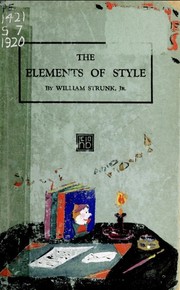
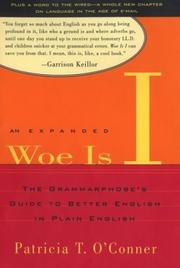
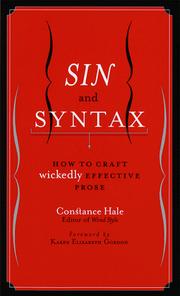
Start where the writing itself lives. The Elements of Style by William Strunk Jr. is the tiny, famous primer on clear, vigorous prose — dated in spots, but it gives you the instinct for concision that underlies all editing. Then read Woe Is I by Patricia O’Conner, a friendly, funny guide to grammar that untangles the confusions people actually make without turning you into a pedant. Add Sin and Syntax by Constance Hale to learn how sentences generate energy and music, so you edit toward good writing, not just correct writing.
Learn the actual craft of editing
Now move from writing to editing others’ work. The Copyeditor’s Handbook by Amy Einsohn is the definitive practical guide — how to mark up copy, query authors, and handle mechanics with judgment. It is the core text of this path. Pair it with Copyediting: A Practical Guide by Karen Judd for a second, complementary walkthrough of the workflow, and Proofreading Plain and Simple by Debra Hart May to master the distinct final-pass skill of catching what everyone else missed.
Get fluent in the reference shelf
Professional editing runs on style guides, so meet them next. The Chicago Manual of Style is the standard for books and general publishing — you do not read it cover to cover, you learn to navigate it. The Associated Press Stylebook is its journalism counterpart, and knowing which world you are editing in matters. For thorny usage calls, Garner’s Modern English Usage by Bryan Garner is the authoritative, evidence-based referee.
Understand the human side
End with perspective on the job itself. The Subversive Copy Editor by Carol Fisher Saller is a wise, humane book about working WITH authors rather than against them — the diplomacy that separates a good editor from a merely correct one.
How to actually study it
Practice on real text: edit an article you did not write and justify every change out loud. Keep a personal style sheet as you work — the decisions you make repeatedly — because consistency is half the job. Read your reference manuals by looking things up, not front to back. And develop restraint: before every edit, ask whether it genuinely helps the reader or just satisfies a rule. Building that judgment is a craft you refine over years of real manuscripts, and no single book shortcuts it.
Ready to start? Follow the full reading path, explore the subject hub, or browse related writing paths.
Ready to learn something deeply?
Build a reading path — free