Every product, API, and complex tool depends on someone explaining it clearly, and doing that well is a genuine profession that pays. Technical writing is worth learning whether you want the job title or just want your emails, docs, and proposals to stop confusing people. It is more learnable from books than most crafts, because the core skill — clear, structured explanation — lives on the page. The trap is jumping to tool-specific or process-heavy books before you can write a clean sentence.
Learn Technical Writing: Best Books in Order
July 12, 2026 · 2 min read
Why order matters here
Clarity is the foundation everything else sits on. Master plain prose first; then process, tooling, and information architecture become force multipliers instead of distractions.
The path, stage by stage
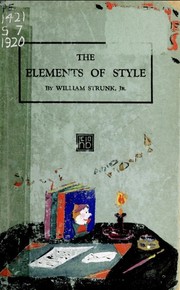
Start with the writing itself. On Writing Well by William Zinsser is the classic on nonfiction clarity — cutting clutter, choosing plain words, respecting the reader — and it applies to everything you will ever write. Pair it with The Elements of Style by William Strunk, Jr., the compact guide to grammar and usage that keeps your sentences clean.
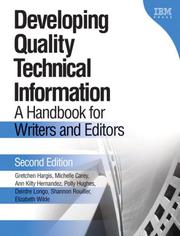
Then learn the discipline that makes technical writing its own field. Technical Writing Process by Kieran Morgan lays out how professional documentation actually gets planned, drafted, and shipped, and The Insider's guide to technical writing by Krista Van Laan covers the working reality of the role — audiences, deadlines, and career. Developing quality technical information by Gretchen Hargis is the rigorous standard on what makes technical content accurate, complete, and usable.
Next, get modern. Docs for Developers by Jared Bhatti and Modern Technical Writing by Andrew Etter both teach documentation the way software teams now do it — treated like code, versioned, lightweight, and continuously updated. Reading them after the fundamentals means you understand why the practices exist, not just how.
Finally, learn to structure information at scale. Every Page Is Page One by Mark Baker rethinks docs for a world where readers arrive from search on any page, and Information architecture for the World Wide Web by Louis Rosenfeld is the deep reference on organizing content so people can actually find it. These turn a good writer into someone who can design a whole documentation system.
How to actually study this
Write while you read. Take something you understand well and document it — a tool, a recipe, a workflow — applying each book's lessons in turn. Edit ruthlessly: the fastest way to internalize Zinsser is to cut a draft by a third and notice it improves. Collect examples of docs you find genuinely clear and reverse-engineer why. And get real readers to use your instructions and watch where they stumble; confusion in a reader is the only reliable test.
Read the writing and process books cover to cover; treat the architecture books as references. See the full reading path for the staged study plan, and the subject hub for links to UX writing and editing. Browse related skills at /subjects.
FAQ
- What is the best book to start technical writing?
- On Writing Well by William Zinsser — clarity is the foundation of the craft, and it teaches you to cut clutter and respect the reader before any tooling.
- Do technical writers need to know how to code?
- Not always, but understanding the systems you document helps. Books like Docs for Developers teach the modern docs-as-code workflow that many teams now expect.
Get the books
- 1On Writing WellAmazon ↗William Zinsser
- 2The Elements of StyleAmazon ↗William Strunk, Jr.
- 3Developing quality technical informationAmazon ↗Gretchen Hargis
- 4Technical Writing ProcessAmazon ↗Kieran Morgan
- 5The Insider's guide to technical writingAmazon ↗Krista Van Laan
- 6Docs for DevelopersAmazon ↗Jared Bhatti
As an Amazon Associate we earn from qualifying purchases. Some book links are affiliate links; you pay the same price and we may earn a small commission.
Follow the full reading path

Learn technical writing: explain complex things clearly
Beginner9books54 hrs4 stages
@worksherpa♥ 0
Ready to learn something deeply?
Build a reading path — free