Nobody has ever read their way to good writing — writing is a doing skill, like playing an instrument. But the right books in the right order do something valuable: they make each hour of practice count for more, by teaching you what to pay attention to. Read them out of order and you'll polish sentences in an essay with no structure, or chase style before you can be clear.
Learn to write well: the books, in the order that works
July 6, 2026 · 2 min read
Clarity before craft before voice
Our writing path climbs a specific ladder: correctness, then sentences, then story, then your own voice.
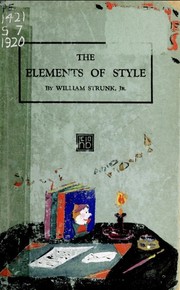
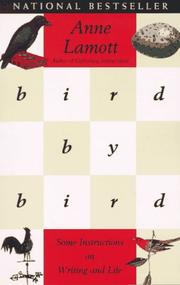
Foundations — clarity and correctness. Strunk & White's The Elements of Style (the famous little book), Zinsser's On Writing Well (the best book on nonfiction, full stop), and Lamott's Bird by Bird — which is really about the courage to write badly first. This stage is about removing what's wrong before adding what's good.
Building blocks — sentences and structure. Klinkenborg's Several Short Sentences About Writing and Pinker's The Sense of Style — the cognitive science of why some sentences land and others thud. This is the stage most self-taught writers skip, and it shows.
Craft — storytelling and narrative. McKee's Story (the screenwriting bible that applies far beyond screen), Gardner's The Art of Fiction, and Le Guin's Steering the Craft. Structure is what separates writing that holds a reader from writing that merely reads well line by line.
Voice and style — finding your own. Stephen King's On Writing (half memoir, half the most quotable advice in the genre) and Williams' Style: Lessons in Clarity and Grace.
Mastery — the long game. Dillard's The Writing Life and Atwood's Negotiating with the Dead — the writer's mind over a career, for when technique is no longer the hard part.
Copy the greats by hand
The oldest writing exercise still works best: type out a paragraph you admire, word for word, and feel where the sentences turn. Then write your own paragraph on a different subject with the same moves. The craft books tell you what to look for; copying makes your hand learn it.
Around 75 hours of reading against many more of writing — because reading these while not writing is the one way to waste them. Follow the path or browse the writing hub.
FAQ
- Is The Elements of Style outdated?
- Some of its rules are dated and linguists love to argue with it — but as a first lesson in ruthless concision it still works. Read it early, then let Pinker and Williams complicate it later in the path.
- Fiction or nonfiction books first?
- The path mixes both on purpose: clarity and sentence craft are universal, and the storytelling stage (McKee, Gardner) helps nonfiction writers as much as novelists. Structure is structure.
Get the books
- 1The Elements of StyleAmazon ↗William Strunk, Jr.
- 2On Writing WellAmazon ↗William Zinsser
- 3Bird by BirdAmazon ↗Anne Lamott
- 4Several short sentences about writingAmazon ↗Verlyn Klinkenborg
- 5The Sense of StyleAmazon ↗Steven Pinker
- 6StoryAmazon ↗Robert McKee
As an Amazon Associate we earn from qualifying purchases. Some book links are affiliate links; you pay the same price and we may earn a small commission.
Follow the full reading path

How to learn Writing
Beginner12books74 hrs5 stages
@craftsherpa♥ 0
Ready to learn something deeply?
Build a reading path — free