Most people's memory of grammar is a joyless one — diagramming sentences, red ink, rules whose reasons no one explained. That is a shame, because grammar and style, learned well, are among the highest-leverage skills you can own. Clear writing is clear thinking made visible, and it is teachable. The secret is to learn it as a craft for communicating, not a code of prohibitions.
Read these in order and the subject transforms from a set of "don'ts" into a toolkit: friendly usage first, then curiosity about the language, then the principles of clear prose, and finally the art of graceful, elegant writing.
Start friendly
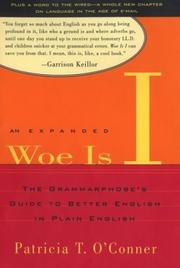
Begin with Woe is I by Patricia T. O'Conner, a genuinely funny, forgiving guide to the grammar questions that actually trip people up — who versus whom, dangling modifiers, the myths worth ignoring. It removes the shame. Then read The Mother Tongue by Bill Bryson, a delightful history of English that makes you fall in love with the language's weirdness and understand why its rules are the way they are. Curiosity is a better teacher than fear.
Learn the core principles
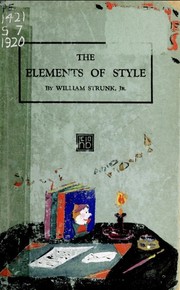
Now the classics of clarity. The Elements of Style by William Strunk Jr. is the short, opinionated foundation — omit needless words — that every writer eventually reads. On Writing Well by William Zinsser is the warm, practical companion for nonfiction, teaching simplicity and clarity better than almost any book. And Eats, Shoots & Leaves by Lynne Truss makes punctuation memorable and even fun, which no one expects.
Go deeper into craft
With the fundamentals set, level up your style. Style: ten lessons in clarity and grace by Joseph M. Williams is the best explanation of why some sentences feel clear and others do not — the structural reasons, not just rules. The Sense of Style by Steven Pinker brings modern linguistics and cognitive science to the question of good writing, dismantling stale rules and offering better ones.
Refine your ear
Finish with the writers on writing. Several short sentences about writing by Verlyn Klinkenborg is an unconventional, almost meditative book about crafting sentences with attention, and The art of fiction by John Gardner turns the same craftsmanship toward storytelling if you want to write narrative. These sharpen the ear that all good style depends on.
How to actually improve
Reading about style will not fix your prose — revising will. After each stage, take something you wrote and cut it by a third; you will feel the principles working. Read your sentences aloud to catch what your eye misses. Keep the reference books nearby and look things up in the moment of doubt rather than memorizing. Writing well is a habit built one edited paragraph at a time.
Follow the full reading path, visit the grammar and style hub, or browse related subjects like writing and copywriting.
Ready to learn something deeply?
Build a reading path — free