Lean and Six Sigma get bundled together on résumés and belt certifications, but they answer two different questions. Lean asks where the waste and delay hide in a process. Six Sigma asks how to reduce the variation that makes output unpredictable. Learn them backwards — statistics before intuition — and you drown in tools without knowing which problem they solve.
So sequence matters. Build the flow mindset first, study the culture that sustains it, then earn the statistical rigor. Done in order, the belt-exam material lands as understanding rather than memorization.
Start with flow and the mindset
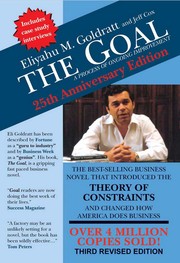
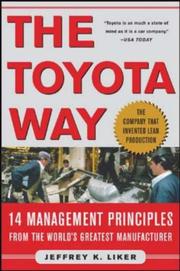
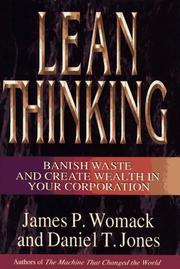
Begin with The goal, Goldratt's constraints novel, because it teaches you to look for the bottleneck before you optimize anything else. Then The Toyota Way lays out the management philosophy — respect for people, continuous improvement — that lean rests on, and Lean thinking gives you the five principles you will apply for the rest of your career.
Learn to see and improve
Lean is a visual discipline. Learning to see teaches value-stream mapping, the single most useful skill for spotting waste on a real process. Toyota kata then shows the improvement routine — the repeated experiment loop — that turns one-off fixes into a habit of getting better.
Build the statistical toolkit
Now the Six Sigma core. The Six Sigma handbook is the comprehensive reference for the DMAIC method and its tools. Lean Six Sigma shows how the two systems combine in practice, while Six sigma tells the origin story from the people who built it at Motorola and GE. For the math that intimidates most beginners, Statistics for Six Sigma Made Easy is exactly what its title promises, and Design for Six Sigma extends the approach upstream into how products and processes are designed in the first place.
Lead and apply it
Finally, move from practitioner to leader. Lean six sigma for leaders addresses the culture and sponsorship that make deployments stick rather than fizzle, and The lean Six Sigma pocket toolbook is the field companion you keep at your desk for the day-to-day work.
Follow the full path in order and the belts stop being trivia. You will know which tool fits which problem — and, more importantly, when a process needs judgment instead of a tool. The related agile, goal-setting, and business paths extend that operational eye into how whole teams and companies run.
Follow the full reading path →
Ready to learn something deeply?
Build a reading path — free