Supply chain management looks like a collection of separate jobs — buying, warehousing, forecasting, shipping — but it is really one connected system, and the connections are where the value and the pain live. Learn the pieces in isolation and you optimize one node while starving another. Learn the flow first and every specialty makes more sense.
That is why order matters. Start with the mindset of flow and constraints, add the structured vocabulary of logistics and procurement, then study the philosophies (lean, demand-driven) and the hard realities (risk, resilience) that separate a textbook chain from one that survives a bad year.
See the whole system first
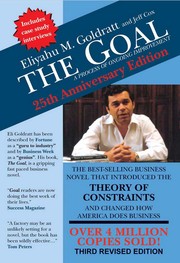
Begin with The goal. Goldratt's business novel teaches the theory of constraints through a plant manager racing to save his factory, and it rewires how you think about bottlenecks, throughput, and local-versus-global optimization — the exact trap beginners fall into. From there, Supply Chain Management: An Introduction to Logistics gives you the organized survey: the moving parts, the terminology, and how they fit. Pair it with The new supply chain agenda for the strategic view of what leaders actually prioritize.
Learn the core disciplines
Now go deep on the specialties. Logistics and supply chain management is Christopher's standard on network design, service, and cost trade-offs. Purchasing and Supply Chain Management covers the sourcing and supplier side that quietly determines margins. Inventory management and production planning and scheduling is the quantitative backbone — how much to hold, when to order, how to schedule — and it is where the math finally earns its place.
Absorb the operating philosophies
No supply chain education is complete without lean. The machine that changed the world documents how the Toyota Production System reshaped manufacturing, and Lean thinking distills its principles into something you can apply anywhere. Then Demand driven material requirements planning (DDMRP) offers the modern counterpoint to classic MRP, showing how to buffer for real demand rather than forecasts.
Prepare for the hard years
Finally, study fragility. The Resilient Enterprise uses real disruptions to show what makes a chain bend instead of break, and Supply Chain Risk Management gives you the framework to find and price that exposure. Zoom back out with Supply chain strategy for the design decisions that tie it together, and Amazon Management System for a look at how one company operationalized speed at scale.
Work the path in order and supply chain stops being a list of departments and becomes a system you can reason about. From here the related lean, agile, and goal-setting paths sharpen the execution muscles that make any chain run.
Follow the full reading path →
Ready to learn something deeply?
Build a reading path — free