Mergers and acquisitions sit at the intersection of strategy, finance, law, negotiation, and human integration — which is exactly why so many deals destroy value instead of creating it. Learning M&A means assembling those pieces in a sensible sequence rather than diving into a single specialty. The path below starts with the whole deal lifecycle, moves into the technical craft of valuation and due diligence, adds the negotiation and integration skills that make or break outcomes, and ends with the cautionary classics.
Best Mergers and Acquisitions Books, in Reading Order
July 14, 2026 · 3 min read
Foundations: the whole deal lifecycle
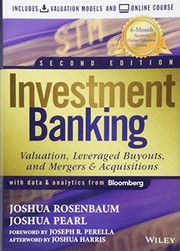
Start with Mergers and Acquisitions from A to Z by Andrew J. Sherman, a readable overview of the entire process from strategy through closing — the map before the details. Then The Art of M&A by Stanley Foster Reed is the comprehensive practitioner's reference covering the full range of deal considerations. Ground the numbers with Investment Banking by Joshua Rosenbaum, the standard on the valuation and modeling techniques every deal rests on.
Core: valuation, diligence, and structure
Deepen the technical craft. Valuation by Thomas E. Copeland (the McKinsey text on measuring and managing company value) builds the rigorous framework for what a target is worth, and Mergers, Acquisitions, and Corporate Restructurings by Patrick A. Gaughan surveys the deal types, motives, and structures across the field. Do not skip the unglamorous but decisive work: The Due Diligence Handbook for Commercial Real Estate by Brian Hennessey models the disciplined investigation mindset that catches the problems that sink deals.
Depth: negotiation, integration, and hard lessons
Now the human craft. Anatomy of a Merger by James C. Freund is a classic on the legal and strategic dynamics of negotiating a deal, and Bargaining for Advantage by G. Richard Shell is the essential negotiation text underlying every term you fight for. Then learn from failure and success: Deals from Hell by Robert F. Bruner dissects why so many acquisitions destroy value — required reading for humility — while Synergy Solution by Mark Sirower and Mastering the Merger by David Harding focus on the integration and synergy capture that determine whether a deal actually pays off. Read in this order, you understand the deal before the details and the pitfalls before the promises.
Keep the failure rate in mind
The most important fact about M&A is that a large share of deals destroy value, and reading with that statistic in mind changes how you absorb everything else. The comprehensive process in The Art of M&A and the valuation rigor of Investment Banking are necessary, but they are not sufficient — deals fail on the parts that are hardest to model. Two dangers recur: overpaying because of optimistic synergy assumptions, and botching the integration afterward, which is exactly why Deals from Hell and Mastering the Merger anchor the end of this path. Treat due diligence as your primary defense, carrying the investigative discipline from The due diligence handbook for commercial real estate into every deal, and treat the negotiation skill in Bargaining for advantage as inseparable from the finance. If you are studying M&A for a career, work through real deal cases alongside the books; the difference between a good and a bad acquisition usually lives in specifics no framework fully captures. Follow the full M&A path for each stage's study plan, or explore related finance and operations paths.
FAQ
- Why is due diligence emphasized so much?
- Because inadequate diligence is a leading cause of failed deals. The Due Diligence Handbook and Deals from Hell together teach the investigative discipline and the cautionary lessons that protect against costly surprises.
- Is M&A mostly about valuation?
- Valuation matters — hence Investment Banking and Copeland's Valuation — but negotiation and integration decide outcomes just as much. That is why Bargaining for Advantage and Mastering the Merger are central to the path.
Get the books
- 1Mergers and acquisitions from A to ZAmazon ↗Andrew J. Sherman
- 2The art of M&AAmazon ↗Stanley Foster Reed
- 3Investment BankingAmazon ↗Joshua Rosenbaum
- 4ValuationAmazon ↗Thomas E. Copeland
- 5Mergers, Acquisitions, and Corporate RestructuringsAmazon ↗Patrick A. Gaughan
- 6The due diligence handbook for commercial real estateAmazon ↗Brian Hennessey
As an Amazon Associate we earn from qualifying purchases. Some book links are affiliate links; you pay the same price and we may earn a small commission.
Follow the full reading path


Mergers and acquisitions: an ordered M&A reading list
Intermediate11books115 hrs5 stages
@worksherpa♥ 0
Ready to learn something deeply?
Build a reading path — free