Valuation has a reputation as pure math, but the best practitioners will tell you it is equal parts numbers and narrative: a discounted cash flow is only as good as the story about the business behind it. Learning it well means building in order — first the accounting literacy to read a company's statements, then the core valuation methods, then the deep, edge-case texts and the modeling craft. Skip the foundations and you will build precise models on numbers you do not truly understand.
Best Business Valuation Books to Read, in Order
July 14, 2026 · 3 min read
Foundations: read the statements, learn the core
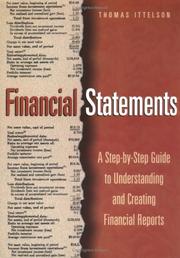
Start with two accessible anchors. The Little Book of Valuation by Aswath Damodaran is the best short introduction to how valuation actually works, and Financial Statements by Thomas R. Ittelson makes sure you can read the balance sheet, income statement, and cash flows that every valuation depends on. Without that literacy, the rest is guesswork.
Core: the standard methods
Now go to the definitive texts. Investment Valuation by Aswath Damodaran is the comprehensive reference on valuing almost any asset — the book many practitioners consider the standard. Pair it with Valuation: Measuring and Managing the Value of Companies by McKinsey & Company, which connects valuation to corporate strategy and value creation, so the numbers tie back to how a business is actually run.
Depth: hard cases, application, and modeling
Real companies are messier than textbook examples. The Dark Side of Valuation by Aswath Damodaran tackles exactly the hard cases — young, distressed, cyclical, and intangible-heavy firms — where standard methods strain. Apply the concepts in a transactional context with Investment Banking by Joshua Rosenbaum, the standard on deal-oriented valuation, and turn theory into spreadsheets with Financial Modeling by Simon Benninga, the classic on building the models that produce your numbers.
Finish with two books that sharpen judgment. The Acquirer's Multiple by Tobias E. Carlisle offers a disciplined, value-investing lens on cheapness and simplicity, and Narrative and Numbers by Aswath Damodaran ties the whole practice together — the argument that a credible valuation fuses a coherent story with disciplined figures. Read in this order, you gain both the technical machinery and the judgment to use it honestly.
Build models, then question them
Valuation is learned by doing, so build as you read. Open a spreadsheet and construct a real discounted cash flow for a company you know, following Financial Modeling by Simon Benninga, and you will understand the mechanics far better than any amount of passive reading provides. But guard against the trap the whole field warns about: false precision. A model outputs a confident number, yet that number is only as sound as the assumptions and the story behind it — which is the entire argument of Narrative and numbers. So after building a valuation, interrogate it: which two or three assumptions actually drive the result, and are they defensible? The hard-case scenarios in The dark side of valuation are the best training for this, because they show how standard methods bend under young, cyclical, or distressed companies. And keep coming back to the statements themselves; a valuation built on numbers you have not truly read, in the spirit of Financial statements, is a house on sand. Follow the full business valuation path for each stage's study plan, or explore related finance paths.
FAQ
- Do I need accounting knowledge before learning valuation?
- Yes — it is the foundation. Financial Statements by Thomas Ittelson ensures you can read the numbers before you try to model them, which this path deliberately places first.
- Which author should I focus on for valuation?
- Aswath Damodaran anchors the field: start with The Little Book of Valuation, move to Investment Valuation, then The Dark Side of Valuation and Narrative and Numbers for the hard cases and judgment.
Get the books
- 1The little book of valuationAmazon ↗Aswath Damodaran
- 2Financial statementsAmazon ↗Thomas R. Ittelson
- 3Investment ValuationAmazon ↗Aswath Damodaran
- 4ValuationAmazon ↗McKinsey & Company Inc
- 5The dark side of valuationAmazon ↗Aswath Damodaran
- 6Investment BankingAmazon ↗Joshua Rosenbaum
As an Amazon Associate we earn from qualifying purchases. Some book links are affiliate links; you pay the same price and we may earn a small commission.
Follow the full reading path


Business valuation: the best books to read in order
Intermediate9books108 hrs4 stages
@worksherpa♥ 0
Ready to learn something deeply?
Build a reading path — free