Korean fiction has surged into world readership recently, but the accessible breakout novels sit atop a deeper tradition of historical and testimonial writing. Read only the newest hits and you miss the weight underneath. A good path lets the striking contemporary voices lead you back toward the harder, larger books.
Much of this literature wrestles with trauma—colonial occupation, war, division, dictatorship—and reading with that history in view changes everything. Here's a sequence that moves from the intimate to the epic.
The contemporary breakthrough
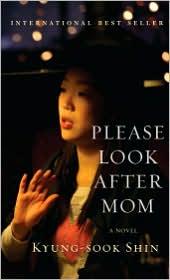
Start with Vegetariana / the Vegetarian, Han Kang's unsettling International Booker winner about a woman's quiet refusal of the world around her. Then Please Look After Mom, Shin Kyung-sook's aching bestseller about a family searching for a lost mother, and Human Acts, Han Kang's harrowing account of the Gwangju uprising—a turn from the private to the political.
History, grief, and fable
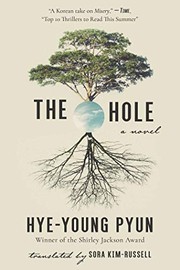
The path deepens. I'll Be Right There is Shin's tender novel of student life under dictatorship, while The Hole is Pyun Hye-young's claustrophobic psychological thriller. The Guest confronts a wartime massacre through shamanic ritual, and Land, Park Kyung-ni's monumental multigenerational saga, is one of the great achievements of modern Korean fiction. Pachinko follows a Korean family across decades in Japan, a diaspora epic that reached readers worldwide, and The Hen Who Dreamed She Could Fly offers a beloved fable that works for any age.
Han Kang, deeper
Close with more of the writer at the center of Korean literature's global moment: The white book, a meditative prose poem of loss; We do not part, her recent novel circling historical violence; and Your republic is calling you, Kim Young-ha's taut day-in-the-life of a sleeper spy.
Follow the full path to read past the headlines into the tradition that made them possible.
Follow the full reading path →
Ready to learn something deeply?
Build a reading path — free