Canadian literature took a while to trust its own subject matter—the small town, the prairie, the immigrant city—and part of the pleasure is watching that confidence grow. Reading in rough order lets you feel the tradition consolidate, from mid-century realism to the formally daring novels that won it a global audience.
It also lets you read its major figures deeply. Munro, Atwood, and Ondaatje each reward being followed across several books, and the path leans into that. Here's a sequence that builds.
The mid-century foundations
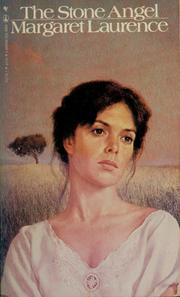
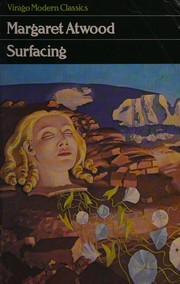
Begin with Lives of Girls and Women, Munro's linked stories of a girl growing up in small-town Ontario—her one novel-like book and a perfect door into her world. The Stone Angel gives you Laurence's fierce, aging Hagar Shipley, a landmark of prairie fiction. Then Surfacing, Atwood's eerie early novel of memory and wilderness, and The Handmaid's Tale, her dystopia that needs no introduction.
Deepening with Munro
Munro rewards immersion. Who do you think you are?, The Beggar Maid, and Runaway are three of her finest collections—ordinary lives cracked open with astonishing economy. Read them close together and you learn how the short story can hold a whole life.
The formal innovators
The path's later stretch turns ambitious. Running in the Family is Ondaatje's playful family memoir of Sri Lanka, In the Skin of a Lion his lyric novel of immigrant Toronto, and The English Patient his Booker-winning meditation on love and war. Then two more Atwoods—Alias Grace, a historical murder puzzle, and The Blind Assassin, her intricate story-within-a-story—before A Fine Balance, Mistry's sweeping, heartbreaking novel of India that has become a Canadian classic.
Follow the full path to watch a quiet national literature grow into one of the most admired in English.
Follow the full reading path →
Ready to learn something deeply?
Build a reading path — free