Japanese woodblock prints are easy to enjoy and surprisingly easy to misunderstand. The most common error is treating them as paintings — the work of a single artist expressing a vision. They were not. A ukiyo-e print was a commercial product made by four parties: a publisher who financed and commissioned it, a designer who drew it, a block cutter who carved it, and a printer who inked and pulled it. Colour, registration, gradation, even the number of impressions were production decisions. Once you know that, the prints look different.
The second thing worth sorting out early is that ukiyo-e was popular media, not high art, for most of its life. It was made for a merchant-class audience in Edo, sold cheaply, and covered actors, courtesans, ghost stories, travel, and celebrity gossip before it ever covered landscape. A reading order that mixes plates with scholarship keeps both halves of that picture in view.
Look before you read
Open with One Hundred Famous Views of Edo, Henry D. Smith II's edition of Hiroshige's complete late series, with a commentary on every single print. Reproducing an entire series rather than a curated greatest-hits selection is what makes it valuable: you see the weak sheets alongside the famous ones, watch the seasonal structure of the whole, and get Smith's notes on what each location actually was. If you prefer to have theory before images, start with the next book instead and come back to this one.
Then the history of the form
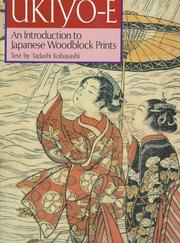
Ukiyo-e by Tadashi Kobayashi is the concise scholarly introduction, written from inside Japanese art history rather than from the Western collector tradition. It covers the chronological development from early monochrome prints through the full-colour nishiki-e, the genres, and the publishing system. It is short, and it is the book that turns the pictures you just looked at into a sequence with causes.
Two artist monographs
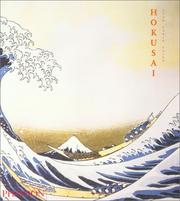
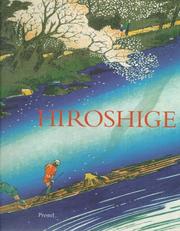
Hokusai by Gian Carlo Calza is the substantial treatment of the most famous name in the field, and it does the useful service of covering the whole career rather than only the Thirty-Six Views — the manga sketchbooks, the surimono, the late paintings. Hiroshige by Matthi Forrer is its counterpart, and reading the two back to back is the most efficient way to grasp the difference between Hokusai's design-driven, sometimes eccentric compositions and Hiroshige's atmospheric, weather-obsessed landscapes.
Print culture and connoisseurship
Close with Designed for pleasure, edited by Julia Meech-Pekarik, a collection of essays on ukiyo-e and the Edo world that produced it. It is the most demanding book here and the most rewarding: essays on the publishing trade, on the pleasure quarters and kabuki that supplied the subject matter, and on the collecting history that shaped which prints survived. It also sharpens your eye for edition, state, and condition — the practical knowledge you need before you ever consider buying an original.
Five books, one of them mostly pictures, and you will be reading prints as objects with a production history rather than as pretty images. The related subjects shelf continues the story into other Japanese visual forms.
Follow the full ordered path here: Japanese Woodblock Prints: The Best Books to Read First.
Ready to learn something deeply?
Build a reading path — free