Japanese cinema is one of the few national cinemas with three separate canons, and most readers only ever learn one. There is the classical studio era — Ozu, Mizoguchi, Naruse, Kurosawa — usually approached through Western critics. There is the 1960s new wave, which was an explicitly political revolt against that era and is written about in almost entirely different terms. And there is anime, which for decades was treated as outside film history altogether and now generates more English-language scholarship than the rest combined.
Reading in order matters because each of those literatures assumes the previous one. New wave criticism is unintelligible if you do not know what the studio system it attacked looked like. And a lot of anime writing is quietly making arguments about Japanese visual tradition that only land if you have already read the classical material.
Start with the survey
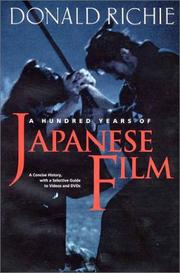
A Hundred Years of Japanese Film by Donald Richie is the standard single-volume history in English, and the correct first book. Richie lived in Japan from the occupation onward, knew many of the directors personally, and organises the story around the studios and genres — jidaigeki, gendaigeki, the shomingeki family drama — rather than around a list of masterpieces. His appended list of recommended films is genuinely useful as a viewing plan.
The two directors everyone starts with
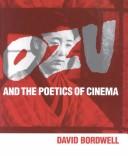
On Ozu the path offers two books, and you should pick deliberately rather than read both. Ozu and the poetics of cinema by David Bordwell is the rigorous formalist study: shot-by-shot analysis of the 360-degree space, the graphic matches, the famous pillow shots, backed by a complete filmography. Ozu by Donald Richie is shorter, warmer, thematic, and much easier as a first encounter. Read Richie if you have seen two Ozu films; read Bordwell if you have seen ten and want to know how they are built.
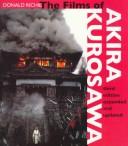
The films of Akira Kurosawa, also by Richie, is the companion volume, and Kurosawa is the useful contrast case — the most Western-legible Japanese director, and the one whose reputation in Japan has always been more complicated than his reputation abroad. Richie walks the films chronologically, which lets you watch alongside.
The political turn
Eros plus massacre by David Desser is the essential book on the Japanese New Wave — Oshima, Yoshida, Imamura — organised by the movement's political and sexual preoccupations rather than by director. It is the volume that explains why these filmmakers considered Ozu's serenity to be an ideological position worth destroying. Follow it immediately with Cinema, Censorship, and the State, Nagisa Oshima's own collected writings, so you hear the argument in the filmmaker's voice rather than the scholar's. Reading Desser first gives you the frame; reading Oshima second gives you the polemic.
Anime as its own history
Anime by Jonathan Clements is a production history rather than a fan guide: how the industry was financed, how studios formed, why television schedules shaped the form. It is the sober foundation. Anime from Akira to Howl's moving castle by Susan J. Napier is the influential cultural-studies reading, arguing for anime as a serious vehicle for postwar anxieties about the body, technology, and apocalypse. Finish with Miyazakiworld, Napier's study of Miyazaki, which doubles as a case study of everything the previous two books set up.
Eight books and a viewing list, in this order, and you can hold all three canons in one head. Pair it with related subjects if you want the visual-arts context behind the frames.
Follow the full ordered path here: Best Books on Japanese Cinema, in Reading Order.