In a few generations, a rainy island turned soot, iron, and steam into a force that rewrote how humans work, travel, and die. The Industrial Revolution is the hinge between the world of muscle and the world we live in — and it is genuinely hard to self-teach, because the good books disagree with each other. Was it invention? Institutions? Empire and slavery? Coal geography? Each is argued forcefully by a serious historian, and reading them in the wrong order leaves you with one side's certainty instead of the real debate.
That is why order matters here. Start with a narrative you can hold in your head, then add the mechanisms, then let the moral and global critiques complicate the story. Treat every conclusion as provisional — this path deliberately includes clashing perspectives so you build judgment, not a slogan.
Stage one: the human texture
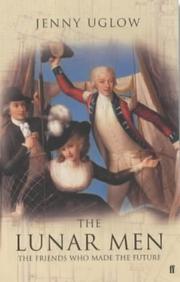
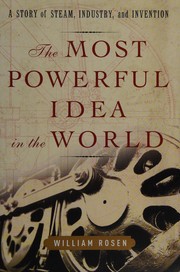
Begin with The Lunar Men by Jennifer S. Uglow, a group portrait of the Birmingham tinkerers, industrialists, and scientists whose dinners doubled as a research lab. It makes the era feel like people rather than forces. Then read The most powerful idea in the world by William Rosen, which follows the steam engine from curiosity to economy-transforming machine and shows why one invention mattered so much.
Stage two: why here, why then
Now reach for explanations. The enlightened economy by Joel Mokyr argues that a culture of useful knowledge — the willingness to experiment and share — made Britain the launch pad. Hold it against The Great Divergence by Kenneth Pomeranz, which insists coal and colonies, not culture, explain why Europe pulled ahead of an equally advanced Asia. Reading these back to back is the whole point: two smart books, incompatible emphases, and you deciding what the evidence supports.
Stage three: the cost and the reckoning
Progress had victims. The making of the English working class by E. P. Thompson recovers the lives of the people the factories ground down, and Hard Times by Charles Dickens — the one novel here — lets you feel the era's soot and cruelty from the inside. Then confront British Capitalism and British Slavery by Eric Eustace Williams, which argues that the wealth financing industry was inseparable from Atlantic slavery. It is contested, and that is why it belongs: the reckoning is part of the history.
If you want a wider frame to close on, The Age of Capital by Eric Hobsbawm sets the whole thing inside the nineteenth century's global upheaval.
How to actually study it
Read for arguments, not just events. For each book, write one sentence naming its central claim and one naming its strongest rival's. Keep a running timeline of a few anchor dates so the debates have a spine. When two authors contradict each other, resist picking a team — note what evidence would settle it, and read on. History rewards readers who stay comfortable with unfinished conclusions.
Ready to go in sequence? Follow the full reading path, explore the subject hub, or browse more history paths.
Ready to learn something deeply?
Build a reading path — free