Almost nobody comes to the British Empire neutral. It shaped a quarter of the planet, and how you read it depends heavily on where you or your family sat inside it. That is precisely why a single book — however good — will mislead you. This path deliberately includes clashing perspectives, and you should hold your conclusions loosely as you go.
The Best Books on the British Empire, in Order
July 12, 2026 · 2 min read
Why order matters here
The temptation is to start with the book that already agrees with you. Resist it. A better sequence gives you the shape of the empire first, then the machinery of how it actually ran, then the voices of the people it ruled — so that by the end you are judging the story against evidence rather than mood.
The path, stage by stage
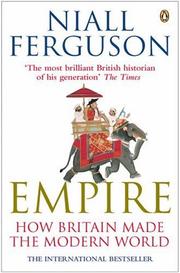
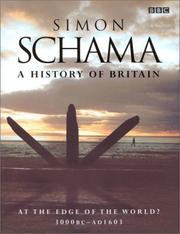
Start with a wide-angle narrative. Empire by Niall Ferguson is a confident, readable survey that treats the empire as a system of trade, migration, and power — a useful map, and a good argument to test yourself against. Pair it with A History of Britain by Simon Schama to see the domestic story that produced the imperial one.
Then get specific about how conquest actually worked. The Anarchy by William Dalrymple tells the astonishing story of the East India Company — a corporation with an army — and shows that "the empire" was often private greed backed by state force. This is the stage where abstractions become concrete.
Now turn the lens around. Inglorious Empire by Shashi Tharoor makes the case for the damage done in India, and Empireland by Sathnam Sanghera traces how imperial history still lives inside modern Britain — its museums, wealth, and habits. Read alongside Legacies of British Slave-Ownership by Catherine Hall, which follows the money paid to slaveholders at abolition, these puncture any tidy balance-sheet view.
For the deepest challenge, read the anticolonial thinkers directly. Discourse on colonialism by Aimé Césaire and Decolonising the Mind by Ngũgĩ wa Thiong'o argue that empire colonized language and imagination, not just territory. They are short, fierce, and hard to unread.
Finally, let fiction do what argument cannot. Homegoing by Yaa Gyasi follows two branches of a family across centuries of the slave trade and its aftermath — the human weather beneath the statistics.
How to actually study this
Read at least one book from each side before you decide anything. Keep a running list of specific claims — a date, a number, a cause — and notice when your sources disagree on the facts versus the framing. When two serious historians look at the same event and reach opposite verdicts, that disagreement is the real subject. History is an argument about evidence, not a settled score.
Ready to go deeper? Follow the full reading path, explore the British Empire hub, or browse more history paths.
FAQ
- What is the best book to start with on the British Empire?
- A broad narrative like *Empire* by Niall Ferguson gives you the map, but pair it early with a colonized-world perspective so you are weighing arguments from the start.
- Should I read pro- and anti-empire books together?
- Yes. The subject is genuinely contested, so reading serious writers who disagree — and noticing where they differ on facts versus interpretation — is the whole point.
Get the books
- 1EmpireAmazon ↗Niall Ferguson
- 2A History of BritainAmazon ↗Simon Schama
- 3The AnarchyAmazon ↗William Dalrymple
- 4EmpirelandAmazon ↗Sathnam Sanghera
- 5Discourse on colonialismAmazon ↗Aimé Césaire
- 6Wretched of the EarthAmazon ↗Riley Quinn
As an Amazon Associate we earn from qualifying purchases. Some book links are affiliate links; you pay the same price and we may earn a small commission.
Follow the full reading path

The British Empire: rise, rule & reckoning
Beginner10books76 hrs5 stages
Ready to learn something deeply?
Build a reading path — free