Learning electric guitar goes badly when players chase songs and solos before building fundamentals—clean technique, fretboard knowledge, and basic theory. A sensible book path front-loads a real method and daily technique work, then adds the fretboard and theory that unlock everything, and only then turns to lead playing, tone, and musicianship. In that order, each stage makes the next easier.
Books complement, not replace, actually playing every day and ideally a teacher's ear—but a disciplined self-learner can get remarkably far. Here's a sequence from first chords to a mature musical voice.
Method and daily technique
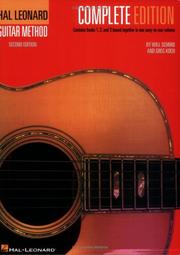
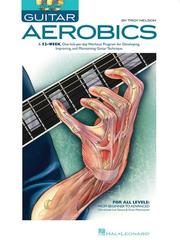
Start with Hal Leonard Guitar Method, - Complete Edition by Schmid, a proven, methodical course through the basics of reading, chords, and rhythm. Alongside it, Guitar Aerobics by Nelson gives you a year of daily technique exercises that build speed, dexterity, and consistency—the boring work that makes everything else possible.
Master the fretboard and theory
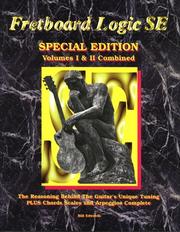
Now stop being lost above the third fret. Fretboard Logic SE by Edwards reveals the fretboard's underlying patterns so scales and chords finally connect. The guitar handbook by Denyer is a superb all-around reference, THE GUITARIST'S SCALE BOOK by Vogl organizes the scales you'll draw on, and Music Theory for Guitarists by Kolb translates theory into terms that make sense on the instrument.
Lead, tone, and artistry
Finally, develop a voice. Lead Guitar Secrets by Gill builds soloing vocabulary and phrasing, while Tone: Capturing the Sounds of Legends by Gerken demystifies gear and how the great players got their sound. Then two books about musicianship itself: The Advancing Guitarist by Goodrick, a cult classic that reorganizes how you think about the fretboard, and Zen guitar by Sudo, a short, philosophical read about the discipline and joy of playing.
Follow the full path and you'll move from method-book exercises to playing like a musician.
Follow the full reading path →
Ready to learn something deeply?
Build a reading path — free