"Great books" lists are usually intimidation dressed as recommendation — a wall of Ulysses and War and Peace that makes readers feel they've failed before starting. But literary difficulty is a gradient, and reading well is a skill that grows. A good path starts with masterpieces that are genuinely accessible, builds your reading muscles on moral and structural complexity, and only then hands you the demanding modernists — who are now a pleasure rather than a punishment.
How to read great fiction (and actually get more from it)
July 6, 2026 · 1 min read
The path, stage by stage
Our great fiction path is ordered by how much it asks of you.
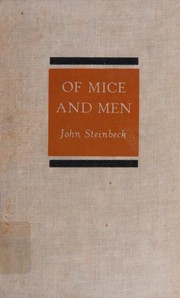
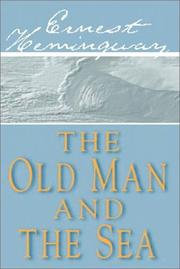
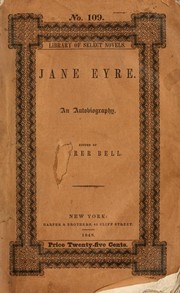
Foundations — story and character. Steinbeck's Of Mice and Men, Hemingway's The Old Man and the Sea, and Brontë's Jane Eyre — short, powerful, and welcoming, but doing everything great fiction does.
Voice and moral complexity. Fitzgerald's The Great Gatsby, Lee's To Kill a Mockingbird, and Dostoevsky's Crime and Punishment — books that trust you with ambiguity.
Theme, symbol, and architecture. Morrison's Beloved and García Márquez's One Hundred Years of Solitude — novels built as intricate structures.
Form as meaning — advanced masterworks. Tolstoy's Anna Karenina, Woolf's Mrs. Dalloway, and Eliot's Middlemarch — where how the story is told is the meaning.
The habit: mark, then reread
Read with a pencil — mark the passages that stop you, note where a character turns. Then reread those marks after finishing. Great fiction is built to reward the second look; the first read is the plot, the second is the art. One well-reread novel teaches more than five raced through.
Around 78 hours of some of the best time you'll ever spend. Follow the path or browse the fiction hub. Reading great fiction is the surest way to write it — see learning to write well — and it's kin to reading poetry.
FAQ
- Do I need to start with the hardest classics?
- No — that’s the mistake that convinces people they "don’t like literature." Start with the accessible masterpieces (Steinbeck, Hemingway); they’re just as great and they build the reading muscles the harder books require.
- Is it worth rereading novels?
- For great fiction, absolutely — the first read gets you the story, the reread reveals the craft. The path’s books are specifically chosen to deepen on a second look, which is where the real reward lives.
Get the books
- 1Of Mice and MenAmazon ↗John Steinbeck
- 2The Old Man and the SeaAmazon ↗Ernest Hemingway
- 3Jane EyreAmazon ↗Charlotte Brontë
- 4The Great GatsbyAmazon ↗F. Scott Fitzgerald
- 5To Kill a MockingbirdAmazon ↗Harper Lee
- 6Crime and PunishmentAmazon ↗Michael R. Katz
As an Amazon Associate we earn from qualifying purchases. Some book links are affiliate links; you pay the same price and we may earn a small commission.
Follow the full reading path
How to learn Great fiction
Beginner11books78 hrs4 stages
@craftsherpa♥ 0
Ready to learn something deeply?
Build a reading path — free