Growth investing is the search for businesses that compound over years, and the hardest part isn't finding them, it's holding them through the volatility. That's why the reading order here starts with your own behavior before it touches a single stock screen. Get the temperament wrong and the best analysis won't save you.
An honest caveat first: investing carries a genuine risk of loss, past performance never guarantees future results, and no book is financial advice. These build understanding and judgment, not certainty.
Psychology first
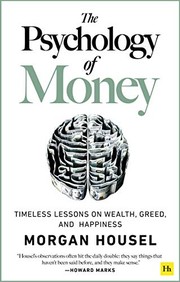
Start with The Psychology of Money by Morgan Housel, which is really about behavior, patience, and the emotional side of returns. Getting this right matters more than any valuation trick, because most investing mistakes are behavioral.
Finding the winners
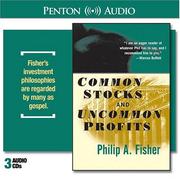
Now the hunt. 100 baggers by Christopher Mayer studies stocks that returned a hundredfold and what they had in common, and Common Stocks and Uncommon Profits by Philip Fisher is the classic on qualitative research into great growth companies. The little book that still beats the market by Joel Greenblatt offers a disciplined, formulaic starting point.
Quality, moats, and the masters
Growth without durability fades, so study defensibility and allocation. Competition demystified by Bruce Greenwald and Expectations Investing by Michael Mauboussin sharpen how you think about moats and what a price already assumes. Then learn from exemplary operators and investors: The outsiders by William Thorndike on capital allocation, Richer, Wiser, Happier by William Green on how great investors think, The Warren Buffett Way by Robert Hagstrom, and Poor Charlie's Almanack by Charles Munger for mental models that outlast any single stock.
Read in order, you build discipline before conviction. If minimizing the tax drag on returns interests you, the related tax planning path is a practical companion. Follow the full reading path to progress in sequence.
Follow the full reading path →
Ready to learn something deeply?
Build a reading path — free