Sustainability and ESG sit at the crossroads of economics, business strategy, and finance, and the field is genuinely contested. Read only the advocacy and you'll miss the hard tradeoffs; read only the critics and you'll miss why it matters. A good order gives you the big picture first, then the practical tools, then the honest debate.
The sequence below builds from planetary economics to the corporate case, to how ESG works in investing, ending with the arguments that keep the field honest.
The big picture
Start with The age of sustainable development by Jeffrey Sachs, a broad grounding in the challenge and its scale, and Doughnut economics by Kate Raworth, which reframes economics around social and ecological limits. Together they set the stakes before you get into corporate specifics.
The business case
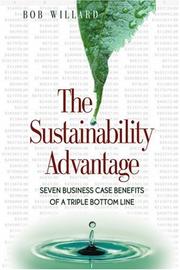
Next, why organizations act. The Sustainability Advantage by Bob Willard makes the financial argument for corporate sustainability, and The New Climate Economy by Nicholas Stern connects climate action to growth. Net Positive by Paul Polman, drawn from his years running Unilever, shows what pursuing this at scale actually looks like.
ESG investing and the debate
Now the finance layer. The ESG Investor's Handbook by Chris Varco and Sustainable Investing by Herman Bril cover the practical mechanics, while Value(s) by Mark Carney, from a former central banker, ties values to markets. Crucially, include the skeptics: Shorting the Grid by Meredith Angwin is a hard-nosed look at energy realities, and Reinventing Capitalism in the Age of Big Data questions the systems underneath. Reading critics alongside advocates is what makes your grasp of ESG durable rather than fashionable.
A note for investors: ESG framing does not guarantee returns or immunity from loss, and definitions remain contested. If putting capital toward outcomes interests you, the related impact investing path continues here. Follow the full reading path to move through it in order.
Follow the full reading path →
Ready to learn something deeply?
Build a reading path — free