Most attempts to drink less run on willpower: same desire, more restraint. That works right up until a stressful Friday. The books that actually change people's drinking take a different route — they dismantle the belief that alcohol is giving you something, so there is less to restrain. That reframe has an order to it: belief first, then biology, then lived experience, then the deeper psychology of why we reach for anything at all.
One thing before the books: if you drink heavily every day, stopping abruptly can be physically dangerous. Talk to your doctor before making major changes — alcohol withdrawal is one of the few that can require medical supervision.
Why order matters here
The mindset books do the heavy lifting, but they land differently depending on what you bring to them. Read the memoirs first and sobriety sounds like someone else's story; read the belief-work first and the memoirs become previews of your own. And the psychology of addiction makes far more sense once you have watched your own cravings with some distance. The sequence below is designed around that arc.
The path, stage by stage
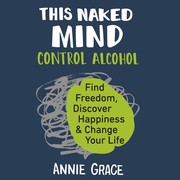
Start with the belief work. This Naked Mind by Annie Grace is the modern standard: it works by examining, one by one, the unconscious beliefs about what alcohol does for you — relaxation, confidence, fun — against what it actually does. The Easy Way to Control Alcohol by Allen Carr is the earlier classic in the same tradition, blunter and beloved for it; many people find one of the two clicks where the other doesn't.
Then get the mechanism. Alcohol Explained by William Porter is the clearest plain-language account of what alcohol does to sleep, anxiety, and the reward system — including why the drink that relaxes you tonight makes you more anxious tomorrow. This is where the belief work gets its scientific floor. Add Why We Sleep by Matthew Walker for the fuller picture of what alcohol-disrupted sleep costs you; its case is powerful even if some specific claims have drawn academic debate.
Now the lived experience. The Unexpected Joy of Being Sober by Catherine Gray is the memoir that makes an alcohol-free life sound like a genuine upgrade rather than a deprivation. Quit Like a Woman by Holly Whitaker adds a sharper cultural critique — how alcohol is marketed, especially to women — and an alternative to recovery culture that some readers need. Sober Curious by Ruby Warrington names the middle path this whole movement is built on: questioning drinking without requiring a rock-bottom story.
Finish deeper. In the Realm of Hungry Ghosts by Gabor Maté reframes addiction as a response to pain rather than a moral failing; it is compassionate, clinically grounded, and worth reading whatever your relationship with alcohol turns out to be. Note that his emphasis on trauma as the root of addiction is influential but debated — hold it as one strong lens among several.
The staged order, with study plans, is in the full reading path.
How to actually study this
Pair reading with a defined experiment: thirty alcohol-free days, journaled. Note cravings — when, what triggered them, what you did instead — and reread the relevant chapter when one hits. The books work best as companions to direct observation of your own patterns, not as abstract arguments. If thirty days feels impossible rather than merely hard, that is useful information to bring to a doctor or counselor.
Start at the sober curious hub, or explore related paths on habits and psychology to keep building.
Ready to learn something deeply?
Build a reading path — free