No health topic mixes rigorous science and confident overreach quite like longevity. The same shelf holds careful clinical reasoning, promising-but-early lab research presented as destiny, and diet claims that have been fought over for decades. Reading in the wrong order here doesn't just confuse you — it can send you chasing supplements while ignoring the boring interventions with overwhelming evidence. So this path is built to do one thing first: give you an evidence filter.
One ground rule before the books: nothing here replaces medical advice. Before changing your exercise, diet, or any medication based on a book, talk to your doctor.
Why order matters here
The claims in longevity science sit at very different confidence levels. Exercise, sleep, and stress have mountains of evidence. Cellular aging mechanisms are real science but young, with human applications largely unproven. Diet is a genuinely contested field where smart people disagree. Read the speculative material first and everything sounds equally certain; read the well-established material first and you can place each new claim on a confidence scale.
The path, stage by stage
Start with the framework. Outlive by Peter Attia organizes the whole subject around a clinical question — which diseases actually end lives, and what reduces the risk of each — and is honest about where evidence is thin. It becomes the scaffold you hang everything else on.
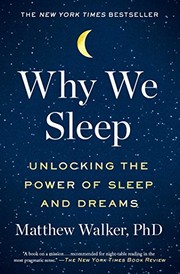
Then read the high-confidence pillars. Exercised by Daniel Lieberman brings an evolutionary biologist's evidence for why physical activity matters and dismantles common exercise myths along the way. Why We Sleep by Matthew Walker makes the case for sleep as a foundation of long-term health — note that some of its specific claims have drawn academic criticism, which itself is a useful exercise in reading skeptically. Why Zebras Don't Get Ulcers by Robert Sapolsky remains the classic on how chronic stress damages the body, written with unusual wit.
Now the frontier — read as live debate, not settled fact. Lifespan by David Sinclair argues aging itself is treatable; it is a genuinely exciting tour of the research and also one side of an active scientific argument, with many researchers disputing its confidence. The Telomere Effect by Elizabeth Blackburn covers cellular aging from a Nobel laureate, again strongest as science and weakest where it prescribes. On diet, Good Calories, Bad Calories by Gary Taubes is a serious contrarian history of nutrition science — read it to understand the controversy, not to settle it — while The Longevity Diet by Valter Longo and The Blue Zones by Dan Buettner offer competing evidence-informed approaches worth comparing against each other.
Finish with lived practice: The Comfort Crisis by Michael Easter argues modern ease itself is a health risk, a readable frame for actually doing the hard things the evidence supports.
The staged sequence with study plans is in the full reading path.
How to actually study this
Track claims by confidence. For every intervention a book proposes, note: what kind of evidence supports it (randomized trials? observational data? mouse studies?), and whether other books on this path dispute it. You will notice the boring quartet — exercise, sleep, stress, not smoking — wins on evidence every time, while the exciting stuff lives on the frontier. Act on the boring; watch the frontier.
Start at the longevity hub, and see the related paths on ReadingSherpa's discover page for nutrition and sleep deep-dives.
Ready to learn something deeply?
Build a reading path — free