Gnosticism is a slippery subject because for centuries it was known only through the writings of its enemies. The discovery of the Nag Hammadi library in 1945 changed that, letting these movements speak in their own voices at last. A good reading order uses that history, starting with an accessible modern account, then the primary texts, then the ancient opposition, then the scholarly synthesis.
The aim is to hear the Gnostics first, understand the church's response second, and only then form a picture of what these teachings actually were.
Start with the modern story
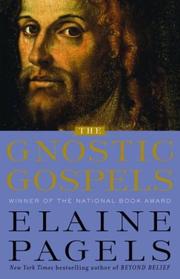
Begin with The gnostic Gospels, Elaine Pagels's landmark and readable study of the Nag Hammadi discovery and its meaning, still the best popular entry into the field. Then Gnosis, Kurt Rudolph's authoritative survey, provides the fuller scholarly overview of Gnostic history, doctrine, and ritual.
Read the primary texts
Now go to the sources themselves. Nag Hammadi Scriptures, Marvin Meyer's complete modern translation, gathers the recovered library in one accessible volume, and The Gospel of Thomas, the collection of sayings attributed to Jesus, is the single most famous and approachable of these texts, a fine place to start reading the Gnostics directly.
Hear the critics and synthesize
To understand how these movements were fought and defined, read St. Irenaeus of Lyons against the heresies, the second-century bishop's detailed attack, which long shaped everything the West knew about Gnosticism. Then Lost Christianities, Bart Ehrman's lively history, shows how many competing forms of early Christianity existed and how one became orthodox. For the philosophy beneath it, The gnostic religion, Hans Jonas's classic existential interpretation, remains the great study of the Gnostic worldview, while The Gnostic philosophy, Tobias Churton's survey, traces the tradition's long afterlife. Finally, The Ptolemaic System, Bentley Layton's careful scholarly treatment, examines one major Gnostic school in rigorous detail.
Read in this order, Gnosticism stops being a rumor of heresy and becomes a real, various, and searching religious movement. Follow the full path from the modern rediscovery to the scholarship.
Follow the full reading path →
Ready to learn something deeply?
Build a reading path — free