The Holocaust is a subject that resists being learned all at once. Approach it only through statistics and it becomes an abstraction; approach it only through horror and it becomes unbearable and opaque. Understanding it means holding several perspectives together — the voice of the victim, the machinery of the perpetrators, and the questions that survive them. A reading order helps you carry that weight without being flattened by it.
The path moves from firsthand testimony, to the history that explains how a modern state carried out genocide, to the deeper interpretive and moral works. Throughout, the aim is understanding, offered with the respect the subject demands.
Testimony first
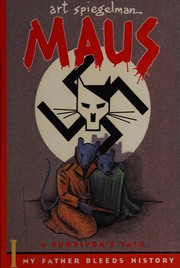
Begin with the survivors' own words. Night by Wiesel is the searing, essential memoir of Auschwitz, and The Diary of a Young Girl by Anne Frank gives the human scale of a single life cut short. Survival In Auschwitz by Primo Levi is a clear-eyed account of the camp's daily reality, and The Pianist by Szpilman documents survival in occupied Warsaw. Maus by Spiegelman renders a survivor's story and its aftermath in graphic form, making the trauma legible across generations. These voices ground everything that follows.
How it happened
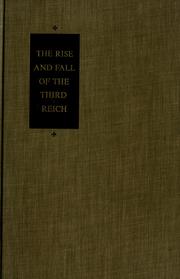
To understand the mechanism, turn to history. The Rise and Fall of the Third Reich by Shirer is the sweeping narrative of the Nazi state, and Ordinary Men by Browning is the unsettling, indispensable study of how ordinary people became mass killers. Hitler's willing executioners by Goldhagen offers a sharply debated counter-argument about German antisemitism, and Auschwitz and the Holocaust by Dwork provides the careful documentary history of the camps themselves.
Reckoning with meaning
The final works confront the questions the events leave behind. The Drowned and the Saved is Levi's late, profound meditation on guilt, memory, and the "gray zone" of the camps. Eichmann in Jerusalem by Arendt, with its contested phrase "the banality of evil," forces the hardest questions about bureaucracy and conscience. Man's Search for Meaning by Frankl asks how a person finds purpose even in the camps.
Read in this order and the Holocaust becomes something you can understand without losing sight of the people at its center. Follow the full path to move from testimony to history to the moral reckoning that must never be finished.
Follow the full reading path →
Ready to learn something deeply?
Build a reading path — free