Finishing a manuscript feels like the finish line. It is actually the halfway point. Getting published is a separate discipline with its own literacy: how to think like an editor, how to query an agent, how to write a proposal that sells, how to read a contract without getting fleeced, and how to weigh traditional publishing against doing it yourself. Writers who skip this education send bad queries, sign bad deals, or give up entirely. A reading order turns the opaque business into a navigable sequence — mindset first, then the pitch, then the industry, then the contract and the alternatives.
Best Books on Getting Published, from Query to Book Deal
July 14, 2026 · 2 min read
Think like the industry
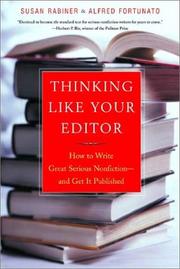
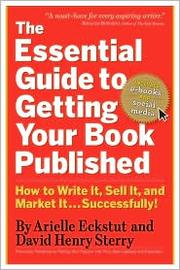
Start by learning to see your book the way publishers do. Thinking Like Your Editor by Susan Rabiner and Alfred Fortunato teaches you to frame serious nonfiction the way editors and agents evaluate it — a mindset shift that pays off everywhere. Pair it with The Essential Guide to Getting Your Book Published by Arielle Eckstut, a broad, practical map of the whole publishing landscape. Together they orient you before you pitch anything.
The pitch: queries and proposals
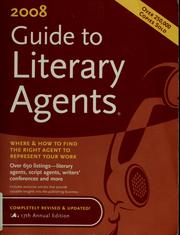
Now the documents that open doors. Query by Kimberly Vanderhorst focuses on the query letter, the make-or-break first contact with an agent. 2008 guide to literary agents by Chuck Sambuchino explains how the agent system works and how to approach it — the principles still hold even as listings age. And How to write a book proposal by Michael Larsen is the standard on the nonfiction proposal, the document that actually sells most nonfiction books. Master these and you can pitch professionally.
The business and the fine print
With a pitch ready, understand the machine you are entering. The forest for the trees by Betsy Lerner, written by an editor and agent, is a wise, candid look at how publishing really treats writers. Then get practical about the paperwork: Kirsch's guide to the book contract by Jonathan Kirsch demystifies publishing agreements, and The writer's legal guide by Tad Crawford covers copyright, contracts, and the legal realities every author faces. These protect you at the moment it matters most.
The other road
Close with the alternative, because traditional publishing is no longer the only path. APE, author, publisher, entrepreneur by Guy Kawasaki is a thorough guide to self-publishing as a business. Let's Get Digital by David Gaughran focuses on the practicalities of publishing and marketing your own ebook. Reading these lets you make an informed choice rather than a default one.
That is the sequence — mindset, pitch, industry, and options — each stage building on the last. Follow the full path in order and you will move from finished manuscript to published book with your eyes open.
FAQ
- Do I need a literary agent to get published?
- For most traditional publishers, yes — they rarely accept unagented submissions. Books like Query and the guide to literary agents teach how to find and pitch one, while self-publishing guides offer a route that needs no agent at all.
- Is self-publishing worse than traditional publishing?
- Neither is inherently better; they suit different goals. Traditional offers gatekept prestige and distribution, self-publishing offers control and speed. Guides like APE and Let's Get Digital help you weigh the trade-offs honestly.
Get the books
- 1Thinking Like Your EditorAmazon ↗Rabiner, Susan/ Fortunato, Alfred
- 2The Essential Guide to Getting Your Book PublishedAmazon ↗Arielle Eckstut
- 32008 guide to literary agentsAmazon ↗Chuck Sambuchino
- 4How to write a book proposalAmazon ↗Larsen, Michael
- 5The forest for the treesAmazon ↗Betsy Lerner
- 6Kirsch's guide to the book contractAmazon ↗Jonathan Kirsch
As an Amazon Associate we earn from qualifying purchases. Some book links are affiliate links; you pay the same price and we may earn a small commission.
Follow the full reading path
Getting published: an ordered reading path from query letter to book deal
Beginner9books72 hrs5 stages
@craftsherpa♥ 0
Ready to learn something deeply?
Build a reading path — free