Opera intimidates newcomers for understandable reasons: it is in Italian or German, the plots sound absurd on paper, and the etiquette feels coded. But behind the barrier is one of the most overwhelming art forms ever made — music, drama, and spectacle at full volume. Books cannot replace actually hearing it, so treat every recommendation here as a companion to listening, not a substitute for it.
How to Get Into Opera: The Best Books, in Order
July 12, 2026 · 3 min read
Why order matters here
Start with a scholarly reference and you will drown; start with a friendly guide and you will be hooked by the weekend. The path moves from orientation, to how-to-listen, to the specific operas and singers, to the deeper culture around the art.
Orientation and listening
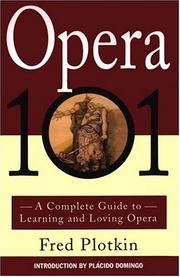
Begin with an unashamed beginner's guide. Opera for dummies by David Pogue is warm, funny, and demystifies the whole experience — what to wear, what is happening, why people cry. Then graduate to Opera 101 by Fred Plotkin, a beloved course-in-a-book that teaches you how to actually listen, opera by opera, and builds real fluency. If you read only two books on this list, read these.
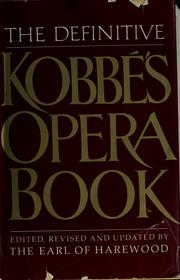
For context on where opera sits in music history, The Vintage guide to classical music by Jan Swafford gives you the wider landscape and the composers who matter. When you want a reference to keep at your side, The definitive Kobbé's opera book by Gustav Kobbé summarizes the plots and highlights of the standard repertoire — the book you open before seeing anything new.
One composer, in depth
At some point the survey has to give way to a single body of work, and Puccini is the right first choice: he wrote the operas newcomers actually fall in love with, and he is short enough to know completely. Puccini: His Life and Works by Julian Budden is the scholarly biography, and it is more demanding than anything before it — Budden works through the operas with real musical detail alongside the life. Take it slowly, with recordings running, and skip the technical passages on a first pass rather than stalling on them. It is the book that turns liking Puccini into understanding him.
The voice and the people who had it
For the mechanics of the voice itself, The singing voice by Robert Rushmore explains what those astonishing instruments are actually doing — registers, tessitura, why a dramatic soprano and a coloratura are not interchangeable.
Then the singer who defined the art in the last century. Maria Callas: The Woman Behind The Legend by Arianna Stassinopoulos Huffington is the popular biography — strong on the life, the Onassis years, and the vocal decline, lighter on the musicianship, and worth reading with recordings of the 1953 Tosca to hand so the artistry is not lost behind the drama.
The culture around the art
Two books close the path by looking at opera from the outside. Opera in America by John Dizikes is a long, superb social history — how a European aristocratic form travelled to a country with no court, and became by turns a frontier entertainment, an immigrant institution, a marker of wealth, and a radio phenomenon. It is the best answer to why American opera houses feel the way they do.
And The Queen's Throat by Wayne Koestenbaum is a brilliant, personal meditation on opera, the voice, and gay male fandom — a book about why people become obsessive about this art form rather than about the art form itself. It is essayistic and unlike everything else here, which is exactly why it goes last.
How to actually study this
Listen while you read. Pick one accessible opera — many guides suggest starting with Puccini or Mozart — and follow along with a libretto and translation the first time, then let it wash over you the second. Do not try to love everything at once; find one opera that grabs you and go deep before broadening out. Attend a live performance if you possibly can, because recordings only carry part of it. The books give you the map; the ears do the learning.
Keep exploring with the full reading path, the opera hub, or browse more paths.
FAQ
- What is the best book for opera beginners?
- Opera for Dummies by David Pogue for a friendly orientation, then Opera 101 by Fred Plotkin to learn how to really listen. Everything else on the path assumes you have done those two.
- Is the Budden biography too advanced for a newcomer?
- It is the hardest book on the path, but it is manageable if you save it until after Opera 101 and read it with recordings playing. Skim the detailed musical analysis on a first pass and come back to it.
- Which opera should I start with?
- Many guides recommend an accessible, tuneful work by Puccini or Mozart, followed with a libretto the first time so you can track the story.
Get the books
- 1Opera for dummiesAmazon ↗David Pogue
- 2The definitive Kobbé's opera bookAmazon ↗Gustav Kobbé
- 3Opera 101Amazon ↗Fred Plotkin
- 4PUCCINI: HIS LIFE AND WORKSAmazon ↗JULIAN BUDDEN
- 5The Vintage guide to classical musicAmazon ↗Jan Swafford
- 6The singing voiceAmazon ↗Robert Rushmore
As an Amazon Associate we earn from qualifying purchases. Some book links are affiliate links; you pay the same price and we may earn a small commission.
Follow the full reading path

Get into opera: where to start & how to listen
Beginner9books102 hrs5 stages
Ready to learn something deeply?
Build a reading path — free