Classical music intimidates newcomers for a strange reason: there is too much of it, spanning centuries, and no obvious door. People try to "get into it" by pressing play on a famous symphony, feel little, and conclude it is not for them. The truth is that appreciation is a learnable skill — you have to know what to listen for. Books are the fastest way to learn that, on one condition: you read them with the music playing. A book can teach your ear, but it cannot replace the hours of listening that actually train it.
How to Get Into Classical Music: Books in Order
July 12, 2026 · 2 min read
Stage one: learn to listen
Start with How to Listen to and Understand Great Music by Professor Robert Greenberg, which walks you through what is actually happening in a piece so you stop hearing wallpaper and start hearing structure. Pair it with Music and the mind by Anthony Storr, a thoughtful exploration of why music moves us at all — useful context for everything that follows.
Stage two: the map and the makers
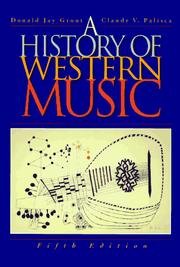
Now build the landscape. The lives of the great composers by Harold C. Schonberg is a gossipy, vivid tour through the personalities who wrote the canon, and The indispensable composers by Anthony Tommasini makes a critic's case for who matters most and why — an opinionated map you can argue with. For the sweep of how styles evolved, A history of western music by Donald Jay Grout is the standard survey to keep as a reference.
Stage three: the modern era and a listening library
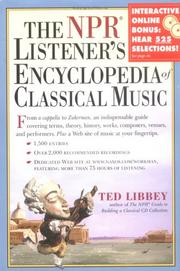
Classical music did not stop in 1900. The Rest Is Noise by Alex Ross is a brilliant, readable history of twentieth-century music that connects the concert hall to its turbulent century — many readers find it the book that finally hooks them. To turn all this into actual listening, The NPR Listener's Encyclopedia of Classical Music by Ted Libbey is a friendly reference to specific works, and The Classical Music Lover's Companion to Orchestral Music by Robert Philip walks you piece by piece through the orchestral repertoire so you always have something worth cueing up next.
How to actually study it
Read a chapter, then immediately listen to the piece it describes — the pairing is everything. Keep a running playlist of works you want to revisit and jot one line about what you noticed each time. Do not chase comprehensiveness; follow enjoyment, and let one composer lead you to the next. Taste is personal, and part of the fun is disagreeing with the critics once you have earned an opinion. There is no finish line, only a deepening ear.
Follow the listener's path on the full reading path, explore the subject hub, or browse related music paths.
FAQ
- What is the best book for a total beginner to classical music?
- How to Listen to and Understand Great Music by Robert Greenberg teaches you what to listen for, which is the missing skill for most beginners. Read it with recordings playing.
- Can books alone teach me to appreciate classical music?
- They accelerate it, but appreciation is trained by listening. Use each book as a guide to specific pieces and put in the ear-time — the two together are what work.
Get the books
- 1How to Listen to and Understand Great MusicAmazon ↗Professor Robert Greenberg
- 2Amazon ↗
- 3A history of western musicAmazon ↗Grout, Donald Jay.
- 4The lives of the great composersAmazon ↗Harold C. Schonberg
- 5Amazon ↗
- 6Amazon ↗
As an Amazon Associate we earn from qualifying purchases. Some book links are affiliate links; you pay the same price and we may earn a small commission.
Follow the full reading path

Get into classical music: a listener's path
Beginner9books149 hrs5 stages
Ready to learn something deeply?
Build a reading path — free