Sitting through your first ballet without a guide can feel like watching a language you do not speak: beautiful, obviously meaningful, and completely opaque. The good news is that dance appreciation is learnable. A little vocabulary and history transforms a puzzling evening into one where you can see the choices a choreographer and dancer are making in real time.
This is a viewer's path, not a technique manual — books here train your eye, not your body. If you want to dance, books can supplement a studio but never replace a teacher and, given the physical demands, the guidance to avoid injury. For learning to watch, though, reading is exactly the right tool.
Why order matters here
Start with a survey and you get the map — the eras, the vocabulary, the landmark works — so that when you later read a choreographer's own account it lands in context. Read the memoirs first and you admire without understanding; read the history first and the memoirs suddenly click.
The path, stage by stage
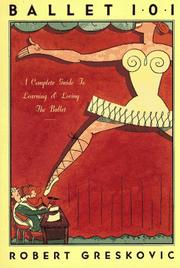
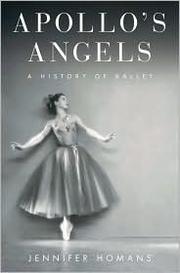
Begin with Ballet 101 by Robert Greskovic — a plain-language primer that names the steps, the great ballets, and what to actually look for from your seat. Then read Apollo's angels by Jennifer Homans, the definitive history of ballet, which explains how the art form carries the courts, revolutions, and nations that shaped it.
To understand how modern ballet was made, Diaghilev, A Life by Sjeng Scheijen tells the story of the impresario who turned dance into the twentieth century's avant-garde. Then broaden beyond ballet with The vision of modern dance by Jean Morrison Brown, which gathers the modern-dance pioneers explaining their own break from tradition, and Black Dance in America by James Haskins, which traces a lineage too often left out of the standard story.
For the payoff, read the practitioners and the critics. Push comes to shove by Twyla Tharp is a choreographer's candid memoir of making dances, and Watching the dance go by by Marcia B. Siegel models exactly what expert dance criticism looks like — proof that you can put movement into words.
How to actually learn this
Read with performances open beside you. After each chapter, watch a recording of the work or style it describes and try to name what you are seeing. Keep a short glossary of terms; they stop being intimidating fast. Best of all, see live dance when you can — the reading is training for the room, and nothing substitutes for being in it.
When you are ready, follow the full reading path for the staged study plan, browse the subject hub, or explore more subjects.
Ready to learn something deeply?
Build a reading path — free