Hip-hop conquered the planet so thoroughly that people forget it has a history at all — as if it arrived fully formed on a streaming playlist. It did not. It came out of a burning, abandoned South Bronx in the 1970s, built by teenagers with turntables and no budget, and every argument about it since — is it art, is it dangerous, who owns it — makes sense only against that origin. Reading about hip-hop in the right order means starting there, not with this decade's stars.
Hip-Hop History Books: A Reading Path Through the Culture
July 11, 2026 · 2 min read
Why order matters here
The culture came first, the craft second, the industry third, and the backlash all the way through. Read in that order and each layer explains the next: you cannot weigh the debates about rap until you understand the world that produced it and the craft that sustains it.
The path, stage by stage
Start with Can't Stop, Won't Stop by Jeff Chang — the definitive history of the hip-hop generation, from Bronx block parties and gang truces through the golden age. It is the foundation everything else stands on; read it first, no exceptions.
Then study the craft. Book of Rhymes by Adam Bradley treats MCing as poetry with a scholar's toolkit — rhyme schemes, flow, wordplay — and will permanently upgrade how you hear verses. How to Rap by Paul Edwards assembles the technique from over a hundred artist interviews; it is the practitioners explaining their own art. The Anthology of Rap, edited by Bradley, gives you the primary texts — decades of lyrics on the page, where you can finally see the architecture.
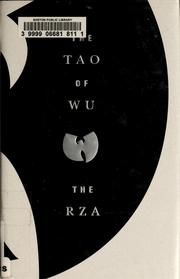
Now the voices. Decoded by Jay-Z is part memoir, part annotated lyric close-reading, and the single best account of what a great MC thinks he is doing. The Tao of Wu by RZA shows the philosophical and spiritual currents running under Wu-Tang. Makes Me Wanna Holler by Nathan McCall widens the frame — a memoir of Black manhood in the same America the music narrates. Original Gangstas by Ben Westhoff tells the West Coast story with journalistic rigor.
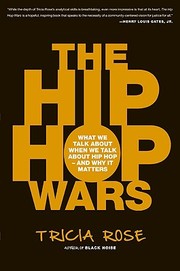
Finish with the arguments. The Hip Hop Wars by Tricia Rose is the sharpest framing of the debates — what critics get wrong, and what defenders excuse too easily; she holds both sides to account. Rap on Trial by Erik Nielson documents prosecutors using lyrics as criminal evidence, a live civil-liberties fight that treats no other art form the same way.
How to actually study this
Listen while you read — every chapter has a soundtrack, and the books mean little without the music in your ears. Build a playlist per era as you go. When you hit the craft books, pick one classic verse and annotate it like a poem. And bring the debates to the music you already love: the point is not agreeing with every author, it is hearing more.
The staged plan is the full reading path. Adjacent routes live in the hip-hop hub, or browse all paths.
FAQ
- What is the best book on hip-hop history?
- Can't Stop, Won't Stop by Jeff Chang is the consensus starting point — a full cultural history from the Bronx origins through the golden age.
- Is there a book that explains rap lyrics as poetry?
- Book of Rhymes by Adam Bradley does exactly that, giving you the tools of poetic analysis; The Anthology of Rap supplies the primary texts.
Get the books
- 1Can't stop, won't stopAmazon ↗Jeff Chang
- 2The hip hop warsAmazon ↗Tricia Rose
- 3The Tao of WuAmazon ↗RZA (Rapper)
- 4Book of rhymesAmazon ↗Adam Bradley
- 5How to rapAmazon ↗Paul Edwards
- 6Makes Me Wanna HollerAmazon ↗Nathan McCall
As an Amazon Associate we earn from qualifying purchases. Some book links are affiliate links; you pay the same price and we may earn a small commission.
Follow the full reading path

Hip-hop: the history of the culture
Beginner11books104 hrs5 stages
Ready to learn something deeply?
Build a reading path — free