Everyone watches movies; almost no one sees them. The difference is a vocabulary — once you can name what a lens choice, a cut, or a camera height is doing to you, films you've watched a dozen times turn out to have been speaking a language you never learned. The good news: that language is thoroughly teachable, and the book path for it is well worn. The order matters because criticism and theory are unreadable without the grammar, and the grammar is dry without the films.
Film Appreciation Books, in Order: Watch Movies Like a Critic
July 11, 2026 · 3 min read
Why order matters here
Start with film theory and you'll drown in jargon about movies you haven't thought hard about. Start with the grammar of the medium, add history so you know what came from where, then let directors and critics argue with each other in your head.
Stage 1: The grammar of cinema
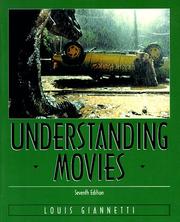
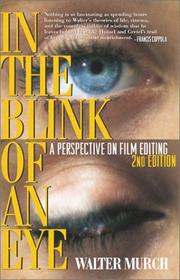
Start with Understanding Movies by Louis Giannetti — the classic introductory text on how films create meaning: shots, lighting, movement, editing, sound, story. It's a textbook in the best sense; read it with a streaming service open and pause to find each technique in a film you love. Then In the Blink of an Eye by Walter Murch, a slim masterpiece by the editor of Apocalypse Now, on why cuts work at all — the single best book for making editing visible forever after.
Stage 2: Where it all came from
The Story of Film by Mark Cousins is a sweeping, opinionated global history — deliberately anti-Hollywood-centric, tracing innovation through Japan, India, Iran, and Africa as much as Los Angeles. You'll finish with a watchlist for years. Supplement with An Introduction to Film Studies edited by Jill Nelmes if you want the academic map of the field's major approaches in one organized volume.
Stage 3: The makers on the craft
Nothing teaches like eavesdropping on masters. Hitchcock by François Truffaut is the greatest interview book in cinema — a week of Truffaut interrogating Hitchcock scene by scene about suspense, montage, and audience manipulation. Then Sculpting in Time by Andrei Tarkovsky, the opposite pole: a deeply serious meditation on cinema as time made visible, from the director of Stalker. Holding both books in your head at once — the entertainer-engineer and the poet-mystic — is the whole education in miniature.
Stage 4: Critics and theory worth arguing with
Awake in the Dark by Roger Ebert shows criticism as a public art — decades of reviews and essays that are generous, clear, and quotable. Negative Space by Manny Farber is criticism as jazz: his termite-art-versus-white-elephant-art distinction rewired how people value movies. For the theoretical deep end, Film Theory by Robert Stam surveys the major schools with unusual readability, and The Cinema Book edited by Pam Cook serves as the standard reference to keep on the shelf. Treat theory as a set of lenses to try on, not commandments.
How to actually study this
Pair every book with screenings — this path is half reading, half watching. Rewatch one favorite film after each stage and write a paragraph on what you see now that you didn't before; that growing gap is the skill. Watch at least a few films with the sound off (for composition) and a few listening only (for sound design). Argue with the critics in writing; agreement teaches nothing.
The staged sequence with study plans is the full reading path. Adjacent craft reading lives at the subject hub, or browse all paths.
FAQ
- What is the best book to start learning film analysis?
- Understanding Movies by Louis Giannetti — it teaches the full vocabulary of cinematic technique with examples, and everything else in film literature assumes that grammar.
- Do I need to study film theory to appreciate movies?
- No — grammar, history, and close watching get you most of the way. Theory is a set of optional lenses, best explored after you can already see technique on screen.
- How do critics watch movies differently?
- They watch actively: noticing how shots, cuts, and sound create effects rather than just receiving the story. Rewatching favorites with a specific question is the fastest way to build the habit.
Get the books
- 1Understanding moviesAmazon ↗Louis D. Giannetti
- 2In the blink of an eyeAmazon ↗Walter Murch
- 3The story of filmAmazon ↗Mark Cousins
- 4An Introduction to Film StudiesAmazon ↗Jill Nelmes
- 5HitchcockAmazon ↗François Truffaut
- 6Sculpting in TimeAmazon ↗Andrei Tarkovsky
As an Amazon Associate we earn from qualifying purchases. Some book links are affiliate links; you pay the same price and we may earn a small commission.
Follow the full reading path

Watch movies like a critic
Beginner10books98 hrs5 stages
Ready to learn something deeply?
Build a reading path — free