Gene editing is the most consequential biotechnology of our era, but its headlines outrun most readers' grasp of the biology underneath. CRISPR is thrilling only if you first understand what a gene is, how it is expressed, and why editing it is both powerful and delicate. Read the flashy books first and the science stays a rumor.
So the path builds the biology before the breakthrough: the story and structure of the gene, then the CRISPR revolution itself, then the frontier and the ethics — the questions we will actually have to answer.
Understand the gene first
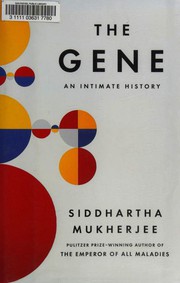
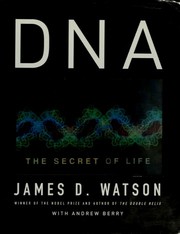
Start with The Gene. Siddhartha Mukherjee's sweeping history teaches heredity, genetics, and molecular biology as a narrative, so you finish with real understanding rather than jargon. Pair it with DNA: The Secret of Life, co-authored by one of the molecule's discoverers, for the structural and historical foundation of what genes physically are.
Meet the CRISPR revolution
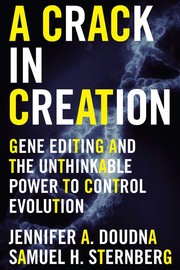
Now the tool. A Crack in Creation, by the scientist who helped invent CRISPR gene editing, is the essential insider account — how it works, what it can do, and why she immediately worried about it. The Code Breaker tells the same story from the outside, as biography and drama, and is the most accessible entry point to the science and the personalities behind it.
For the mechanisms that make editing possible, The epigenetics revolution explains how genes are switched on and off — the layer above the DNA sequence that editing has to reckon with.
Reach the frontier and the ethics
The last stage is where it gets uncomfortable, which is the point. Regenesis imagines synthetic biology's ambitions, The genome factor examines what genetics does and does not explain about human differences, and Editing Humanity brings the CRISPR story up to the era of edited embryos. Then The Case against Perfection and Hacking the Code of Life force the moral question directly: not can we, but should we.
Follow the full path and gene editing stops being a headline and becomes something you can reason about — including its limits. These books complement, and never replace, the guidance of qualified scientists and clinicians on any real medical decision.
Follow the full reading path →
Ready to learn something deeply?
Build a reading path — free