Environmental science is unusually broad — it braids ecology, earth science, chemistry, economics, and politics into one subject. That breadth is exactly why order matters. Jump straight to climate solutions and the policy debates float free of the ecological and physical grounding that make them make sense. Build the foundation first and the later arguments land.
The path moves from a way of seeing nature, to the science of how living systems connect, to the specific crisis of a warming planet, and finally to the honest question of what to do about it.
Learn to see the living world
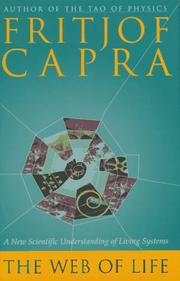
Start with A Sand County Almanac. Aldo Leopold's land ethic reframes nature from resource to community, and that shift in perception underlies everything that follows. The web of life extends the idea into systems thinking — how living things form interdependent networks — before you meet the formal discipline in Ecology, a clear survey of populations, communities, and ecosystems.
Confront the human impact
With ecology in hand, turn to the damage. Silent Spring is the book that launched modern environmentalism, and it still models how to trace an invisible harm through a whole ecosystem. Cradle to Cradle answers with a design philosophy — waste as a flaw to be engineered out rather than managed.
Understand and address climate
Now the defining problem. The discovery of global warming tells the scientific history so you understand how we know what we know, and The Uninhabitable Earth lays out the stakes if warming runs unchecked — read it as a spur, not a prophecy. Energy grounds the whole debate in the physical realities of how civilization is powered.
Close with the solutions. Drawdown catalogs the concrete measures that could actually reverse emissions, ranked by impact, and The New Climate Economy makes the economic case that action and prosperity need not conflict. Read these last, when you have the science to weigh them critically.
Follow the full path and you move from wonder to knowledge to action. The neighboring physics and gene-editing paths deepen the science underneath the policy.
Follow the full reading path →
Ready to learn something deeply?
Build a reading path — free