Biochemistry can feel like an ocean of pathways, structures, and reactions to memorize. But underneath the detail is a coherent story — how molecules are built, how they fold, how they catalyze reactions, and how they capture and spend energy. Reading in an order that keeps that story visible is what keeps the details from becoming noise.
The path opens with an accessible overview, moves through the comprehensive core textbooks, then zooms into proteins and enzymes before pulling back to the grand theme of metabolism and energy. Follow it and biochemistry becomes a narrative rather than a list. As always, these books build scientific understanding; they are not medical or clinical guidance.
Get the big picture
Start with The chemistry of life, a readable overview that frames the subject before you commit to a dense textbook, and The machinery of life, whose stunning molecular illustrations give you an almost physical intuition for how crowded and dynamic the inside of a cell really is. Together they build the mental images that make the heavy material easier to hold.
Work through the core
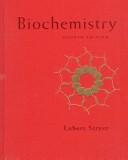
Now the substantial texts. Biochemistry by Stryer is the classic, clearly written course text that has introduced generations to the field, balancing rigor with readability. For a deeper, more chemically detailed treatment, Biochemistry by Voet goes further into mechanism and structure — the reference for when you want the full picture. These are the backbone of any serious study of the subject.
Go deep on structure and metabolism
With the core in place, specialize. Introduction to protein structure teaches how proteins fold and why their shapes determine function, and Proteins extends that into their physical and chemical properties. Enzyme structure and mechanism is the definitive treatment of how enzymes actually catalyze reactions — the molecular heart of biochemistry. Then step back to energy: METABOLIC REGULATION: A HUMAN PERSPECTIVE explains how the body coordinates its metabolism, and Bioenergetics covers how cells capture and transform energy, the theme that unifies the whole field.
Read in this order and biochemistry stops being memorization and becomes an understanding of how life works at the molecular level. Follow the full path from the big picture down to enzyme mechanism and metabolic control.
Follow the full reading path →
Ready to learn something deeply?
Build a reading path — free